
 REQUEST A QUOTE
 EN
 English
Just let we know what you want, and we will get in touch with you as soon as possible!

Mobile Bulk Material Handling Experts
-
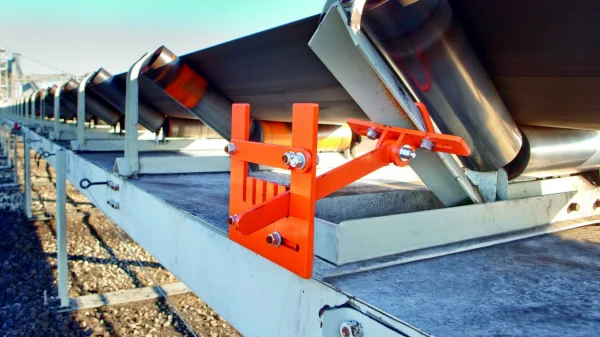
Belt Conveyor Roller Material Selection: A Guide for Bulk Material Handling
Belt conveyor roller material selection is a decision that directly affects conveyor reliability, maintenance requirements, and long-term operating costs.
Read More -
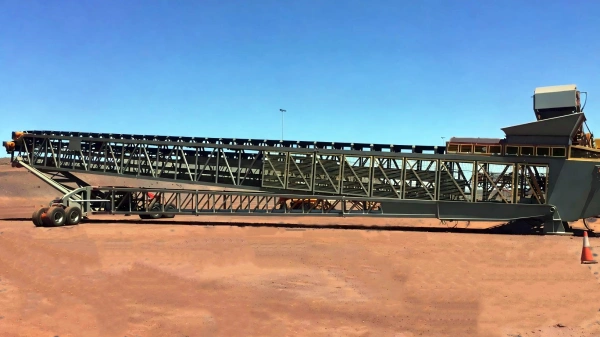
Conveyor Idlers and Rollers for Mobile Belt Conveyors
This article examines how to select conveyor idlers and rollers specifically for mobile belt conveyors, including tracked conveyors, mobile stackers, radial stackers, telescopic conveyors, grasshopper conveyors, and mobile ship loaders.
Read More -
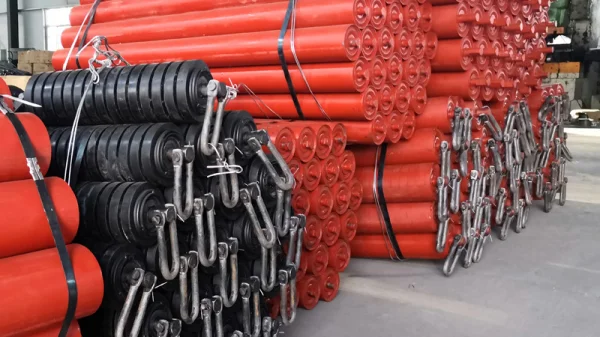
Conveyor Idlers and Rollers for Overland Belt Conveyors: Selection, Performance and Maintenance
Conveyor idlers and rollers are particularly important because they support the overland conveyor belt along almost the entire conveying route.
Read More -
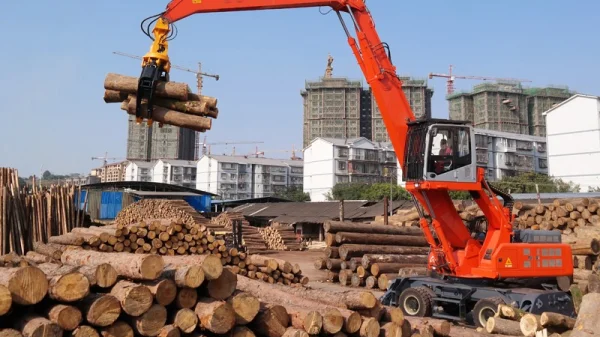
How to Choose the Right Mobile Material Handler for Your Operation
Choosing a mobile material handler is not simply a matter of comparing machine operating weights, engine power or maximum boom reach.
Read More -
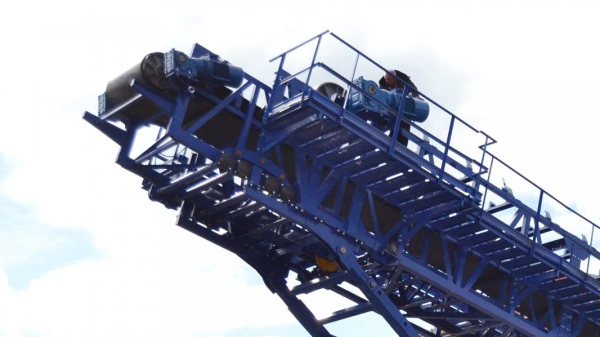
How To Calculate Mobile Conveyor Belt Tensions
Learn how to calculate mobile conveyor belt tensions using CEMA/ISO/DIN methods. Step‑by‑step guide to effective tension (Te), tight‑side/slack‑side balance, and power sizing for reliable bulk handling.
Read More -
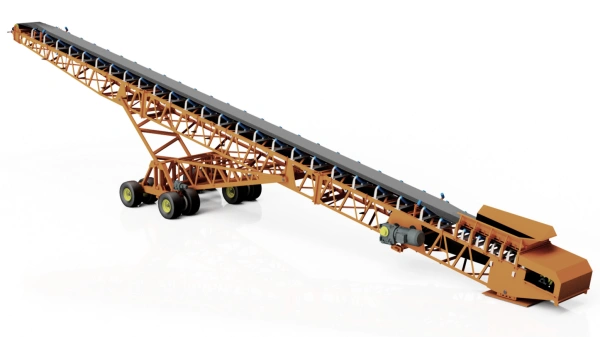
How To Avoid Mobile Conveyor Skirtboard Problems
The skirtboard of the belt conveyor can effectively prevent material from spilling, especially at the material receiving point of the conveyor.
Read More -
Belt Conveyor Power Calculation: Comparing Required vs Available Power
In belt conveyor design, one of the most critical checks is ensuring that therequired power does not exceed theavailable power.
Read More -
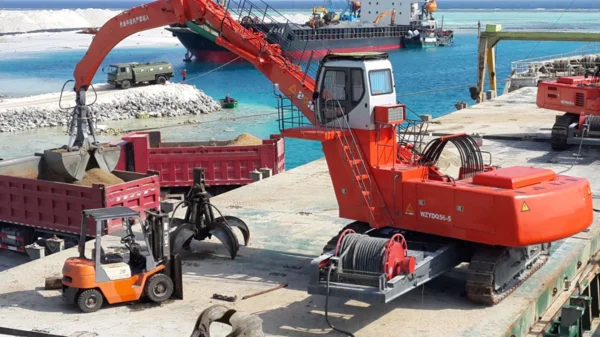
Electric Material Handler for Ports, Scrap & Bulk Handling
Discover how electric material handlers improve efficiency in ports, scrap yards, rail terminals, and bulk material handling. Learn benefits, applications, attachments, and operating cost advantages.
Read More -
600 TPH Radial Stacker for Slag Handling in Indonesian Steel Plant
This article introduces the project background, equipment specifications, operational advantages, and the benefits of using a radial stacker conveyor in steel slag handling applications.
Read More -

Bulk Material Truck Unloader: A Smarter Way to Handle Bulk Materials
From coal mines and grain terminals to aggregate plants and ports, bulk material truck unloader systems help companies unload materials faster, safer, and with fewer operating costs.
Read More -

Bulk Material Drive Over Truck Unloader for Coal, Grain and Aggregate
Simple in concept but powerful in impact, this system has become a go-to solution for handling coal, grain, and aggregates in a faster, cleaner, and more cost-effective way.
Read More -

Selection of Dust Removal Methods for Mobile Hoppers
Choosing the right dust removal method for a mobile hopper isn’t just a technical decision—it’s a balance between practicality, cost, site conditions, and long-term sustainability.
Read More -

Heavy Duty Drive Over Truck Unloading System for Mining and Ports
A drive over truck unloading system is exactly what it sounds like: trucks simply drive over a receiving hopper or platform and unload materials directly into a conveyor or feeder system below.
Read More -

How a Radial Stacker Reduces Rehandling Costs in Aggregate Plants
In aggregate plants, rehandling is one of those costs that hides in plain sight. A radial stacker does exactly that by letting the conveyor handle what loaders and dozers used to do manually.
Read More -

How a Cascade Chute Achieves Dust-Free Bulk Material Loading
This is exactly why cascade chutes have become so important in modern bulk material handling. Their design is simple in principle but very effective in practice, especially when dust control is a priority.
Read More -

Environmental Benefits of Cascade Chutes in Bulk Material Handling
Cascade chutes may not look like a green technology at first glance, but in practice, they deliver some very real environmental benefits.
Read More -

250T/H Mobile Crushing Plant for Basalt and Granite
This is recommendation of a 250 TPH Mobile Crushing & Screening Plant for a mining company to process basalt, granite, and other hard volcanic rocks.
Read More -

Telescopic Chute for Grain Loading Applications
For grain loading, telescopic chutes offer a balance that's hard to beat: efficiency without damage, dust control without complexity, and flexibility without constant adjustment.
Read More -

Benefits of Using a Radial Stacker for Bulk Material Stockpiling
Below are the key benefits that make radial stackers a preferred choice for many modern bulk handling operations. We offer normal radial stacker and radial telescopic stacker for sale.
Read More -

Radial Stacker vs Fixed Stacker: Which Stockpiling Solution Is Better
This guide compares radial stackers and fixed stackers across multiple dimensions, including stockpile capacity, operational flexibility, cost, maintenance, and application suitability.
Read More -

Wear Resistant Design of Telescopic Chutes for Abrasive Materials
A wear-resistant telescopic chute is not about using the hardest material everywhere. It’s about understanding where wear really happens and designing the chute to handle it intelligently.
Read More -

What Is a Material Handler and How Does It Work? Buyer’s Guide
This guide explains what a material handler is, how it works, where it’s used, and how to choose the right one, without unnecessary technical jargon.
Read More -

How to Choose Chute Tube Material for Telescopic Chutes
Selecting chute tube material is not about picking the strongest steel on paper. It’s about understanding how the chute will actually be used.
Read More -

How Telescopic Chutes Reduce Material Degradation and Spillage
Telescopic loading chutes were originally introduced to control dust, but in practice, they do much more than that.
Read More -

Cascade Chute vs Free-Fall Telescopic Chute: Which Is Better for Dust Suppression
When choosing a telescopic loading chute, one common question comes up early in the decision process: Should you use a cascade chute or a free-fall telescopic chute?
Read More

Leading Mobile Bulk Material Handling Equipment Manufacturer in China. A high-tech enterprise specializing in R&D and manufacturing of stacker conveyors, ship loaders, and bucket wheel reclaimers. We provide comprehensive mobile solutions, including mobile hopper feeders, truck unloaders (surface feeders), and transfer conveyors, alongside high-performance mobile crushing and screening plants for global bulk material processing.
How to Contact
- WhatsApp: +8617821512097
- E-mail: [email protected]
-
 Add: China

