
 REQUEST A QUOTE
 EN
EN English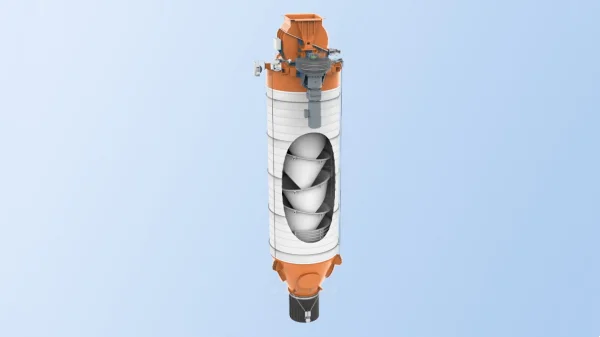
Just let we know what you want, and we will get in touch with you as soon as possible!

Dust Control Solutions Using Telescopic Loading Chutes
Dust is one of the most persistent problems in bulk material handling. Whether you are loading cement into trucks, coal into rail wagons, or aggregates onto ships, uncontrolled dust leads to material loss, equipment wear, health risks, and environmental compliance issues. Over time, even small dust problems can turn into major operational and regulatory challenges.

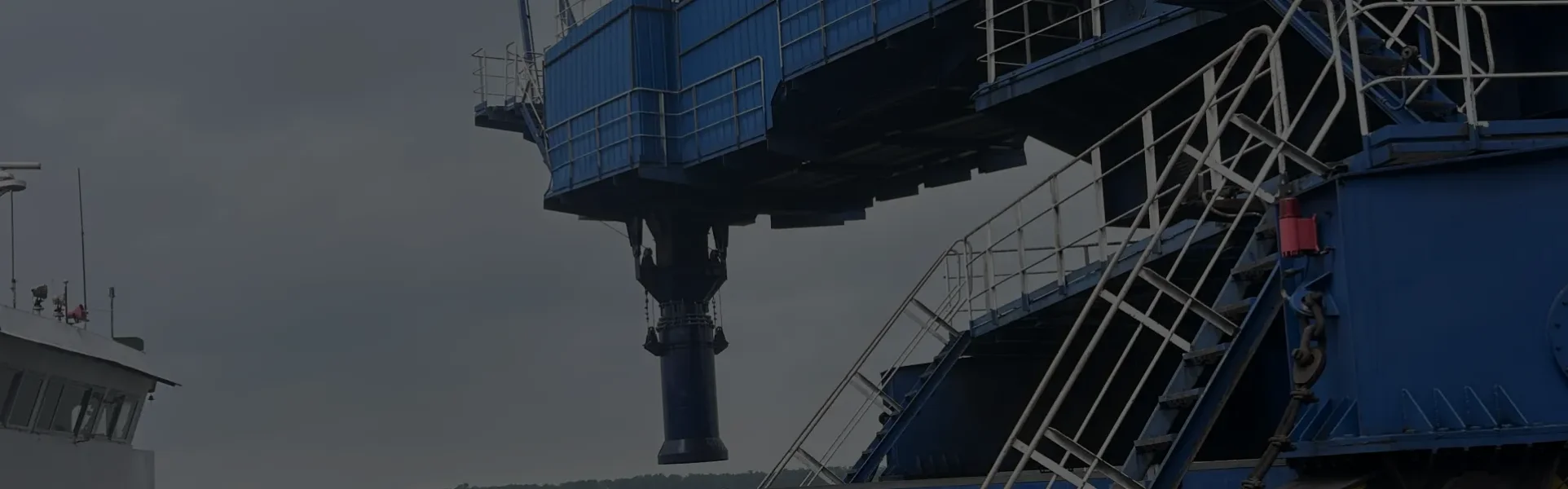
This is a high throughput telescopic chute for ship loader in an in-land terminal.
This is where telescopic loading chutes have proven to be one of the most practical and effective dust control solutions in modern bulk loading systems.
Why Dust Is a Serious Issue in Bulk Loading
Dust is mainly generated when bulk material is allowed to free fall from a height. As material accelerates downward, fine particles separate from the main material stream and become airborne. Wind, vibration, and turbulence then spread the dust into the surrounding area.
Common consequences of poor dust control include:
- Unsafe working conditions for operators
- Loss of valuable material
- Accelerated wear on nearby equipment
- Complaints from neighboring facilities or communities
- Difficulty meeting environmental regulations
Traditional methods such as water spraying or external dust collectors can help, but they often treat the symptom rather than the cause.
How Telescopic Loading Chutes Reduce Dust at the Source
A telescopic loading chute controls dust by reducing drop height and enclosing the material flow path. Instead of allowing material to fall freely from the conveyor discharge to the truck, wagon, or ship hold, the chute extends downward and delivers material closer to the pile surface.
By shortening the falling distance, material velocity is reduced, which directly limits dust generation. At the same time, the enclosed chute structure prevents fine particles from escaping into the air.
This source-level control is the main reason telescopic chutes are more effective than many external dust suppression systems.

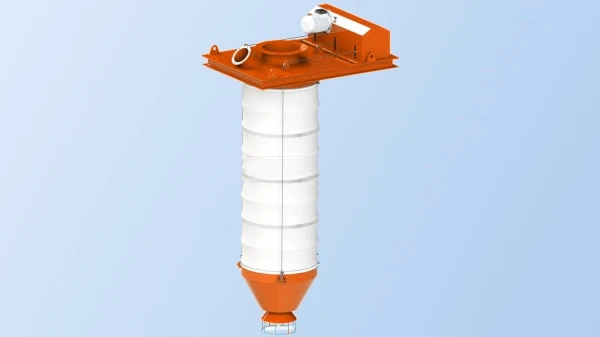
Telescopic chute for truck loading.
Maintaining a Full Material Column
One of the most important dust control principles is maintaining a continuous material column inside the chute. When air gaps form between falling material streams, dust is easily pulled into the surrounding air.
Well-designed telescopic chutes, especially those with cascade or spiral flow sections, guide the material along internal surfaces. This keeps the chute filled with material, minimizes turbulence, and prevents air from being drawn upward. As a result, dust remains trapped within the material stream instead of escaping into the environment.
The Role of cascade chute Design
For applications involving fine or dusty materials such as cement, fly ash, or coal, a cascade telescopic chute offers an extra level of dust control.
Instead of straight vertical flow, the material moves downward in a controlled, step-by-step or spiral path. Each stage reduces material speed and absorbs impact energy. This gentle handling not only reduces dust but also limits material degradation and chute wear.
In many port and cement plant installations, cascade chutes have become the preferred solution where strict dust emission limits apply.
Dust Sealing and Flexible Bellows
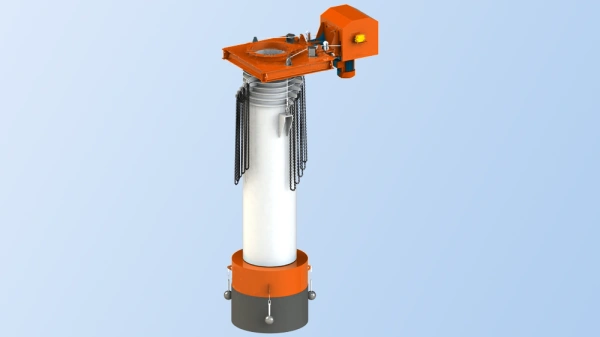
Another key element of dust control is the outer dust sealing system. Telescopic chutes are typically enclosed by reinforced fabric or rubber bellows that move with the inner tubes during extension and retraction.
These bellows:
- Prevent dust from escaping through gaps
- Protect internal components from wind and weather
- Allow smooth vertical movement without rigid connections
When combined with proper sealing at the inlet and discharge points, the bellows create a fully enclosed dust control zone.

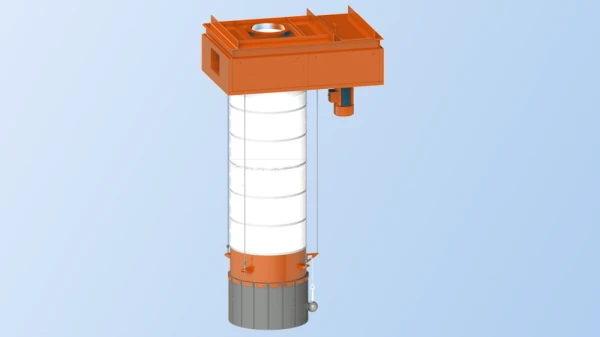
Telescopic for stockpiling conveyor
Integration with Dust Extraction Systems
In some applications, especially ship and rail loading, telescopic chutes are connected to dust extraction systems. A dedicated extraction port allows fine dust to be gently drawn out and filtered while the bulk material continues to flow.
Because telescopic chutes already minimize dust at the source, the required airflow for extraction is much lower than with open transfer points. This results in:
- Smaller dust collectors
- Lower energy consumption
- More stable system performance
Benefits Beyond Dust Control
- While dust reduction is the main goal, telescopic loading chutes offer several additional advantages:
- Cleaner and safer working environments
- Reduced material loss
- Lower maintenance costs
- Longer service life for conveyors and chutes
- Improved compliance with environmental standards
These benefits often justify the investment, particularly in high-throughput or regulated operations.
Effective dust control starts with controlling the way material is handled, not just capturing dust after it is created. Telescopic loading chutes address the root causes of dust by reducing drop height, enclosing material flow, and maintaining a stable material column.
Whether used for truck, rail, or ship loading, telescopic loading chutes provide a reliable, long-term dust control solution that improves operational efficiency, protects workers, and helps facilities meet environmental requirements. For modern bulk material handling systems, they are no longer an optional upgrade—they are a practical necessity.
- Telescopic Chute for Grain Loading Applications
- Wear Resistant Design of Telescopic Chutes for Abrasive Materials
- How to Choose Chute Tube Material for Telescopic Chutes
- How Telescopic Chutes Reduce Material Degradation and Spillage
- Cascade Chute vs Free-Fall Telescopic Chute: Which Is Better for Dust Suppression
- How to Choose the Right Telescopic Chute for Truck, Rail and Ship Loading?

Table of Contents

Leading Mobile Bulk Material Handling Equipment Manufacturer in China. A high-tech enterprise specializing in R&D and manufacturing of stacker conveyors, ship loaders, and bucket wheel reclaimers. We provide comprehensive mobile solutions, including mobile hopper feeders, truck unloaders (surface feeders), and transfer conveyors, alongside high-performance mobile crushing and screening plants for global bulk material processing.
How to Contact
- WhatsApp: +8617821512097
- E-mail: [email protected]
-
 Add: China

