
 REQUEST A QUOTE
 EN
 English
MMSTACKER is world leading manufacturer of belt conveyor parts and components. We can offer belt conveyor rollers, conveyor idlers, conveyor pulleys, conveyor belts, truss frame, belt cleaner, bracket, impact bed, etc. These conveyor parts can match the international standards like CEMA, ISO, DIN, AS, SANS, etc.

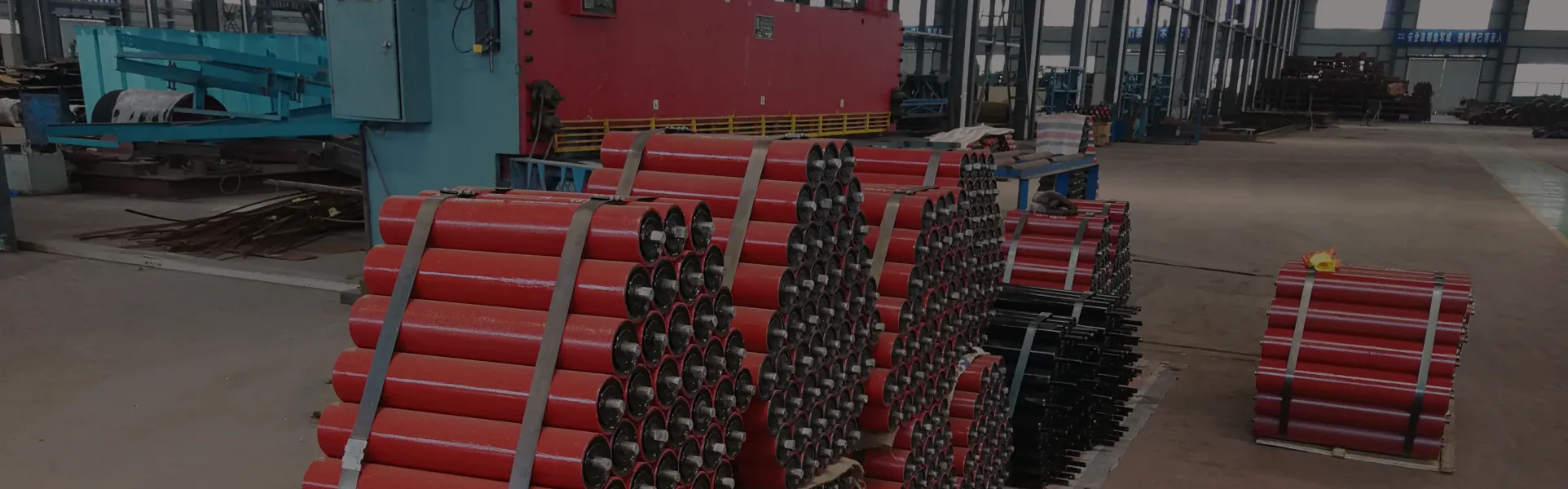
Conveyor Parts: Idler, Roller, Pulley, Cover, Belt
Discover our Conveyor Parts By Category

Conveyor Idlers
We provide troughing conveyor idlers, impact idlers, carrying idlers, return idlers, and self-aligning training idler for heavy duty belt conveyors in bulk materials handling applications.

Idler Roller
We provide steel conveyor roller, HDPE conveyor roller, UHMWPE conveyor Rollers, impact roller, and rubber disc return roller. These conveyor rollers are used in heavy duty belt conveyors.

Conveyor Pulleys
We provide quarry duty and mine duty conveyor drum pulleys and winged pulleys. These conveyor pulleys will be used as head pulleys, tail pulleys, tensioning pulleys, bend pulleys and snub pulleys.

Conveyor Covers
We provide belt conveyor covers including steel conveyor covers, stainless steel conveyor covers, and plastic conveyor covers.These conveyor covers protect conveyors from wind and rain.

Conveyor Belts
We provide conveyor belts including steel cord conveyor belts, fabric/textile conveyor belt, corrugated sidewall belt, bucket elevator belts, PVC/PVG solid woven conveyor belts.

Impact Beds
An belt conveyor impact bed is an essential component used in conveyor belt systems, particularly in heavy-duty applications such as mining, quarrying, and bulk material handling.
What are Conveyor Components?
A conveyor component is any individual part that makes up a conveyor system, enabling it to transport bulk materials or products efficiently. These components work together to provide support, motion, alignment, and control.
Conveyor components are used in:
- mining,
- ports,
- quarrying,
- power plants,
- agriculture,
- and wherever bulk materials need continuous movement.
What types of Conveyor Components are there?

Conveyor components are the essential mechanical, electrical, and structural parts that make up a conveyor system, ensuring smooth, safe, and efficient movement of bulk materials or products.Conveyor Components include Conveyor belt , Idlers & rollers, Drive unit, Conveyor Pulleys, Belt Cleaner, Conveyor Cover, Bearings, Frame & structure ,Tensioning devices, Controls & sensors and more.
- Conveyor belt: the moving surface that carries material.
- Conveyor covers: shield the belt, conveyed materials and components from weather, dust, debris and contamination.
- Conveyor Belt Cleaner: Primary, Secondary and Plow Cleaner.
- Idlers and rollers: support the belt and reduce friction.
- Drive unit: motor, gearbox, and pulley that power the belt.
- Conveyor pulleys: transmit motion and maintain belt tension.
- Bearings: support rotating parts and reduce wear.
- Frame and structure: provide alignment and stability.
- Tensioning devices: keep the belt tight to prevent slippage.
- Chutes and Hoppers: receiving and guide material.
- Rubber Spill Skirting Systems: Prevent spillage.
- Controls and sensors: monitor speed, detect misalignment, and ensure safety.
FAQ of Conveyor Parts for Bulk Material Belt Conveyors
1. What are conveyor parts for bulk material handling?
Conveyor parts are the components that support, drive, protect, and maintain a belt conveyor system. Common parts include conveyor idlers, rollers, pulleys, belts, impact beds, conveyor covers, belt cleaners, and supporting structures. Selecting suitable components helps improve conveyor reliability and operating efficiency.
2. Which conveyor parts are essential for heavy-duty bulk material conveyors?
For heavy-duty applications, key components typically include a suitably rated conveyor belt, carrying and return idlers, drive and tail pulleys, impact protection at loading points, and appropriate belt cleaning and sealing systems. The exact configuration depends on conveyor capacity, material properties, operating conditions, and system design.
3. How do I choose the right conveyor parts for my application?
Selection depends on belt width, belt speed, throughput, material density, lump size, abrasiveness, moisture, operating temperature, and environmental conditions. Conveyor layout, loading impact, required service life, and compatibility with existing equipment should also be considered.
4. What is the difference between conveyor idlers and conveyor rollers?
Conveyor rollers are individual rotating components that support the belt. Conveyor idlers generally refer to the complete assemblies or sets that hold one or more rollers and support the belt in a specified arrangement. Understanding this distinction helps ensure you order the correct replacement component.
5. How do I select the right conveyor pulley?
Pulley selection depends on belt width, belt tension, belt speed, transmitted power, shaft and bearing requirements, and the pulley’s function. Head, drive, tail, bend, snub, and take-up pulleys serve different purposes. Pulley diameter, shell construction, lagging, and locking arrangements should match the conveyor design and operating loads.
6. What type of conveyor belt is suitable for bulk materials?
The suitable belt depends on the material being conveyed, conveying distance, capacity, belt tension, temperature, and installation profile. Common options include fabric conveyor belts and steel cord conveyor belts. Corrugated sidewall belts may be suitable for steep conveying, while other specialized belts are selected for particular operating conditions.
7. How can impact beds and impact rollers protect conveyor belts?
Impact beds and impact rollers help absorb energy where bulk materials fall onto the conveyor belt. Impact beds provide support through impact bars and a steel frame, while impact rollers use cushioned rotating rollers. The appropriate solution depends on drop height, lump size, loading rate, and impact severity.
8. Why are conveyor covers important for bulk material handling?
Conveyor covers help protect conveyed materials and conveyor components from rain, wind, sunlight, and debris. They can also help reduce material loss and the spread of dust when used with suitable transfer-point enclosures and dust-control systems.
9. Can conveyor parts be customized or manufactured to drawings?
Yes. Many conveyor components can be manufactured to specified dimensions or customer drawings. Depending on the product, customization may include roller dimensions, pulley diameter and face width, belt specifications, idler frame dimensions, impact bar profiles, materials, coatings, and mounting arrangements.
10. Which standards are used for conveyor parts?
Depending on the component and project, relevant specifications may reference CEMA, DIN, ISO, AS, or SANS standards. The applicable standard should be confirmed for each component, together with dimensional tolerances, load requirements, materials, and project-specific specifications.
11. How often should conveyor parts be inspected or replaced?
Inspection and replacement intervals depend on operating hours, material abrasiveness, loading conditions, contamination, and maintenance practices. Regular inspections should check roller rotation, bearing noise, pulley lagging, belt wear, idler alignment, impact bar condition, and structural damage. Replace worn or damaged components according to their condition and the manufacturer's recommendations.
12. What information is required to get a conveyor parts quotation?
For an accurate quotation, provide the component type, required quantity, dimensions, material specifications, operating conditions, and applicable standards. Existing part numbers, technical drawings, photographs, and the conveyor model are also helpful. For customized or heavy-duty components, belt width, speed, throughput, and material characteristics may be required.
13. Can I source multiple conveyor parts from one supplier?
Yes. Sourcing compatible conveyor parts from one supplier can simplify procurement, technical communication, and spare-parts management. MMSTACKER offers a range of belt conveyor components, including idlers, rollers, pulleys, belts, covers, and impact beds for bulk material handling applications.
Why to Invest Our Belt Conveyor Parts?
-
Many Years Rich Experience
More than 10 years in researching & designing & manufacturing of belt conveyor parts.
-
Modern Manufacturing Factory
More than 10000㎡+ manufacturing base to process rollers, idlers, pulleys, and covers.
-
Strict Quality Control
Each conveyor parts will be tested by our skill-full Quality inspector. We ensure that the products leaving the factory are all qualified products.
-
Comprehensive Range of Products
We offer a wide range of conveyor parts, including rollers, idlers, pulleys, belts, impact bed bars, and more, suitable for various applications and industries.
-
Innovative Solutions
We incorporate the latest technological advancements into our products to enhance efficiency, safety, and reliability.
-
Excellent Customer Service
We prioritize customer satisfaction and work closely with our clients to ensure their needs are met and expectations exceeded.
Contact Us for Quotes and Prices!
Just let we know what you want, and we will get in touch with you as soon as possible!

Leading Mobile Bulk Material Handling Equipment Manufacturer in China. A high-tech enterprise specializing in R&D and manufacturing of stacker conveyors, ship loaders, and bucket wheel reclaimers. We provide comprehensive mobile solutions, including mobile hopper feeders, truck unloaders (surface feeders), and transfer conveyors, alongside high-performance mobile crushing and screening plants for global bulk material processing.
How to Contact
- WhatsApp: +8617821512097
- E-mail: [email protected]
-
 Add: China

