
 REQUEST A QUOTE
 EN
 English

The conveyor rollers will take up a large part of investment in building a belt conveyor system. The quality of the conveyor idler rollers will affect the stability and economic benefits of the entire project. As a manufacturer and supplier of belt conveyor idler rollers, MMSTACKER can provide belt conveyor rollers that comply with national standards such as CEMA, ISO, DIN, SANS, etc. Our belt conveyor idler rollers can better reduce downtime and maintenance time and are your best choice for roller replacement.

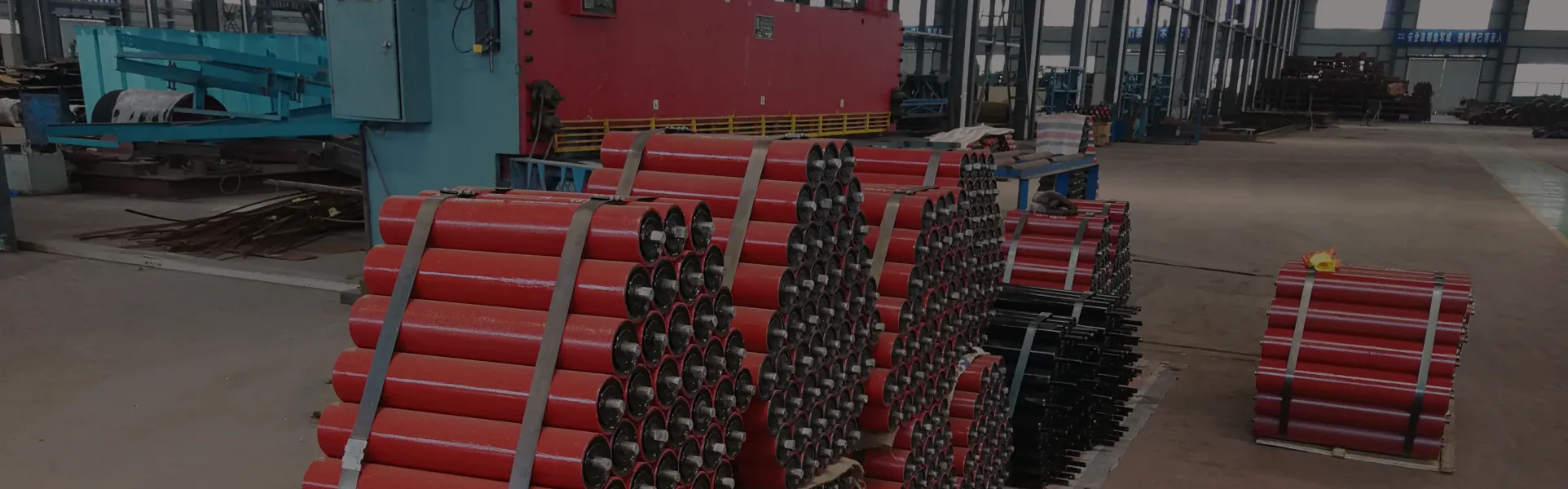
Conveyor Idler Rollers for Replacement
Discover Our Full Range of Conveyor Rollers By Category
-
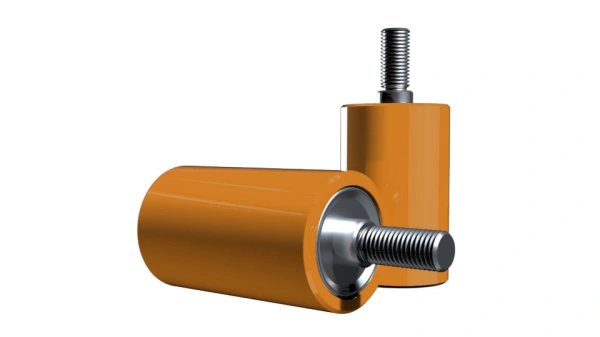
Guide Roller - Self Align Idler Side Roller
View More Send A RequestMMSTACKER designs and manufactures guide rollers for conveyors to limit the possible sideslip of the belt and keep its alignment.
-
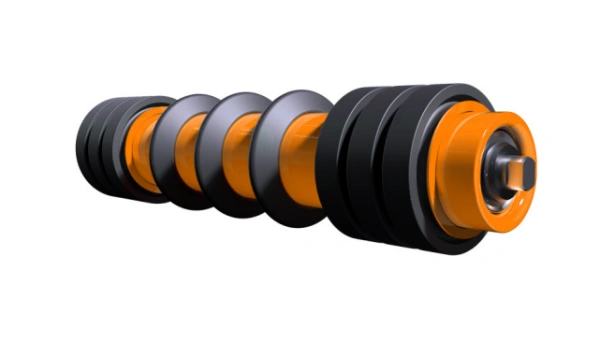
Rubber Disc Return Roller - Self-Cleaning Roller
View More Send A RequestThe rubber disc return roller is equipped with rubber rings and it is a conveyor roller specially used for the return side of the conveyor belt.
-
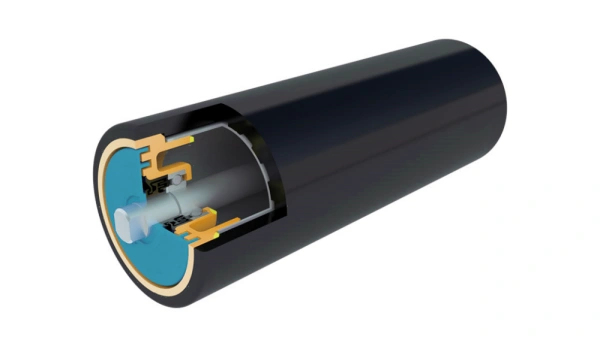
HDPE/UHMWPE Roller - Lightweight & Wear-Resistant
View More Send A RequestHDPE conveyor rollers are made of high-density polyethylene material. UHMWPE conveyor rollers are made of ultra-high molecular weight polyethylene.
-
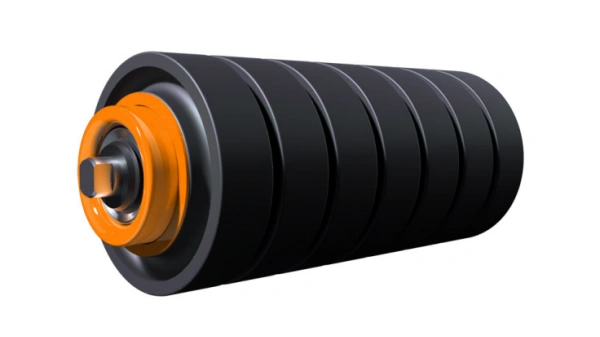
Impact Roller - Rubber Ring Roller for Shock Absorbing
View More Send A RequestImpact rollers, covered rubber rings, are specialized conveyor rollers designed to absorb and mitigate the impact of materials falling onto the conveyor belt.
-
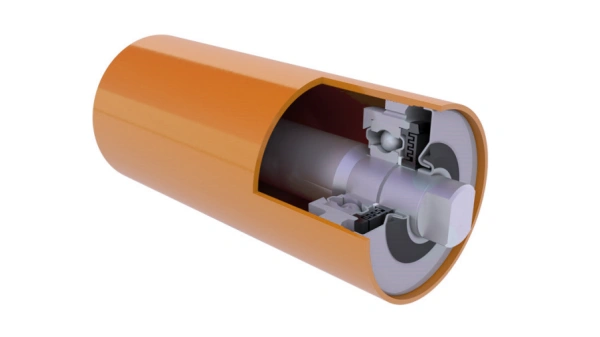
Steel Conveyor Roller - Mine and Quarry Duty
View More Send A RequestSteel conveyor rollers are an essential component of belt conveyor systems, providing support to the conveyor belt and facilitating smooth material transport.

Conveyor Roller Manufacturing
We always have the most advanced conveyor roller production line. This can achieve precise cutting, fine welding and efficient assembly, which effectively guarantees the quality of conveyor rollers.

Conveyor Roller OEM Services
We can supply OEM services of belt conveyor rollers according to the drawings you provide, including steel rollers and polymer rollers (HDPE and UHWMPE rollers).
Belt Conveyor Roller Configuration
Idler Roller Standard
CEMA (CEMA B, C, D, E, F), DIN, ISO, GB, AS, GOST, SANS, etc.
Idler Roller Materials
The material used in the construction of idler rollers plays a significant role in determining their durability, efficiency, and suitability for specific applications. Choosing the right material for idler rollers is vital for optimizing conveyor system performance and longevity. Steel offers unmatched strength for heavy-duty applications, while HDPE and aluminum are perfect for corrosion-resistant and lightweight needs.
- HDPE
- Steel
- Stainless Steel
- Galvanized steel
Idler Roller Bearing
SKF, FAG, NSK, LYC, HRB, or ZWZIdler Roller Sealing
The sealing mechanism of an idler roller is as vital as the roller itself in ensuring the smooth operation of conveyor systems. By choosing the right sealing type and material based on the application, businesses can achieve better performance, reduce downtime, and extend the lifespan of their conveyors.
- Integral Bearing Sealing
- Flinger Seals
- Contactless Sealing
Idler Roller Applications
Idler rollers are versatile and indispensable in a wide range of industries. Their ability to adapt to diverse applications—ranging from handling lightweight goods in warehouses to transporting abrasive materials in mining—makes them a cornerstone of modern conveyor systems.
We provide conveyor rollers:
- mining conveyor rollers,
- aggregate conveyor rollers,
- quarry conveyor rollers,
- other conveyor rollers.
They are widely used in:
- mining,
- quarrying,
- aggregate,
- port,
- other industries such as Power, Grains, Paper, Logistic and etc.
FAQ About Conveyor Rollers for Bulk Material Belt Conveyors
1. What are conveyor rollers used for in bulk material handling?
Conveyor rollers support the belt and help it run smoothly while transporting bulk materials such as coal, iron ore, aggregates, sand, and grain.
2. What types of conveyor rollers are used in bulk material belt conveyors?
Common types include steel conveyor rollers, HDPE rollers, UHMWPE rollers, impact rollers, rubber disc return rollers, and guide rollers. Each type serves different operating conditions.
3. How do I choose the right conveyor roller?
Consider belt width, roller diameter and length, belt speed, material load, lump size, impact conditions, operating temperature, dust, moisture, and required service life.
4. What is the difference between steel and HDPE conveyor rollers?
Steel rollers are suitable for many heavy-duty applications, while HDPE rollers are lightweight and corrosion-resistant. The best choice depends on loading conditions, material characteristics, and the operating environment.
5. What are impact conveyor rollers used for?
Impact rollers are installed at conveyor loading and transfer points to absorb material impact and help protect the conveyor belt from damage caused by falling bulk materials.
6. What are rubber disc return rollers?
Rubber disc return rollers use rubber rings to help reduce material buildup on the return side of a conveyor belt. They are useful when sticky or residual material tends to accumulate on conventional rollers.
7. Are UHMWPE conveyor rollers suitable for mining and quarrying?
UHMWPE rollers can be considered for selected mining and quarrying applications where low weight, wear resistance, and corrosion resistance are beneficial. Load capacity and operating conditions must be checked before selection.
8. How do conveyor roller bearings and seals affect service life?
Bearings enable smooth rotation, while seals help prevent dust, water, and contaminants from entering the bearing assembly. Appropriate bearing and sealing designs can reduce premature failure and maintenance downtime.
9. Can conveyor rollers be customized for existing belt conveyors?
Yes. Conveyor rollers can be manufactured to match specified dimensions, shaft configurations, materials, bearings, seals, and applicable standards, subject to engineering review.
10. Which standards are used for bulk material conveyor rollers?
Depending on the project and market, conveyor rollers may be specified according to CEMA, DIN, ISO, AS, SANS, or other applicable standards. The required standard and dimensions should be confirmed in the project specification.
11. How often should conveyor rollers be replaced?
Replacement frequency depends on operating hours, load, belt speed, material abrasiveness, contamination, and maintenance conditions. Regular inspections can identify seized bearings, excessive noise, shell damage, and abnormal rotation before they cause larger problems.
12. What information is needed to order replacement conveyor rollers?
Provide the roller diameter, face length, shaft diameter and ends, material, bearing and sealing requirements, conveyor belt width, operating conditions, required standard, and quantity. Drawings or samples can help confirm compatibility.
Why to Choose Our Conveyor Idlers?
-
Strict Quality Control
The product manufacturing and testing are quality records and testing information. We will ensure that our conveyor rollers are in the best condition before leaving the factory.
-
Wide Range of Applications
Our conveyor rollers are able to cover various bulk industry uses differing in the type, load volume, grain or lump size of the transported material.
-
Excellent Running Performance
Our conveyor rollers becomes suitable for variable environmental challenges, including dust, dirt, water, low and high temperatures.
-
OEM Service is Available
OEM order is highly welcomed and easily achieved. All customized requests are available, including customized logos, packaging boxes, details of products, etc.
Contact Us for Quotes and Prices!
Just let we know what you want, and we will get in touch with you as soon as possible!

Leading Mobile Bulk Material Handling Equipment Manufacturer in China. A high-tech enterprise specializing in R&D and manufacturing of stacker conveyors, ship loaders, and bucket wheel reclaimers. We provide comprehensive mobile solutions, including mobile hopper feeders, truck unloaders (surface feeders), and transfer conveyors, alongside high-performance mobile crushing and screening plants for global bulk material processing.
How to Contact
- WhatsApp: +8617821512097
- E-mail: [email protected]
-
 Add: China

