
 REQUEST A QUOTE
 EN
 English

MMSTACKER is a wheeled and tracked mobile material handler supplier in China. We provides robust and flexible mobile material handlers designed for high-intensity operations in ports, rail yards, and industrial scrap processing. Our equipment combines hydraulic precision with unmatched durability.

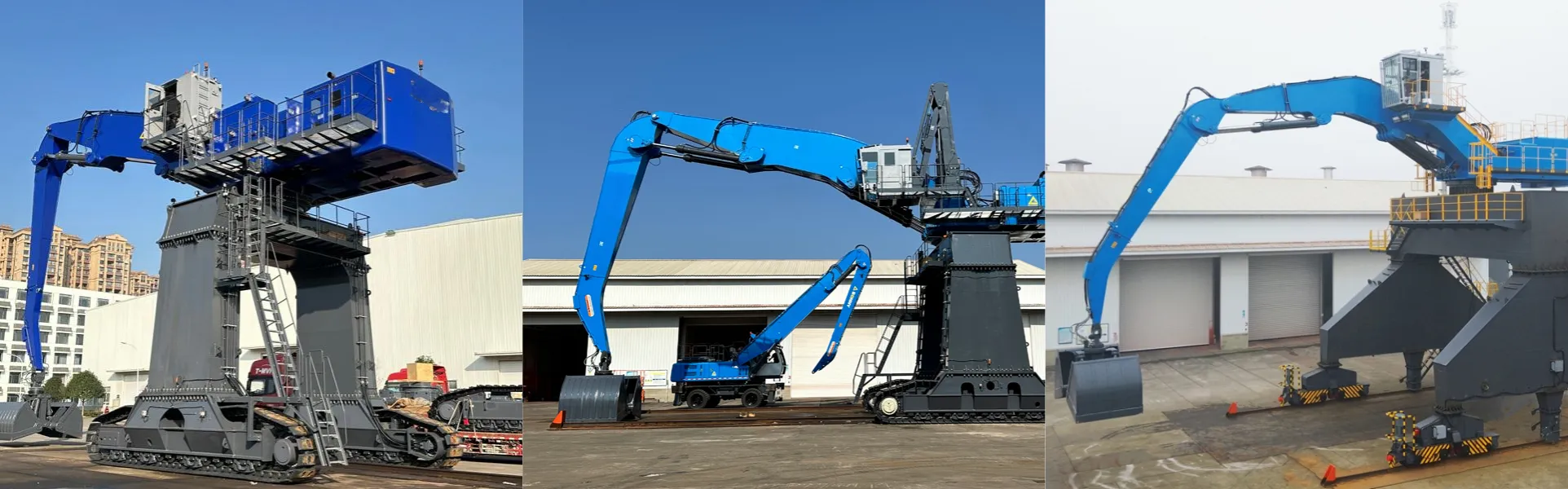
Mobile Material Handlers | Port & Yard Solutions
Discover Our Full Range of Mobile Material Handler By Category
-

Gantry Crane Material Handler: Hight Handling Capacity
View More Send A Request Catalog DownloadEngineered for high-capacity lifting and precise material handling Designed with robust structures, reliable drive systems and easy maintenance, our gantry cranes deliver outstanding performance, safety and long service life — helping you maximize productivity and minimize downtime..
-
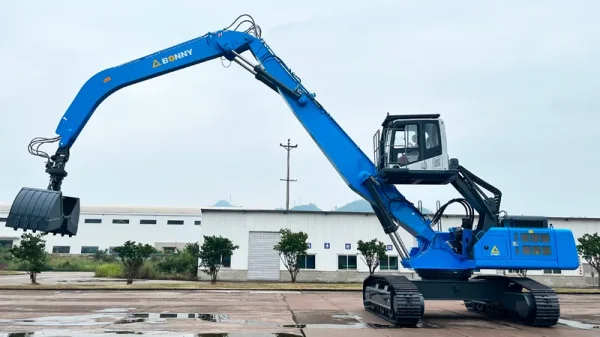
Tracked Material Handler: Stability on All Terrains
View More Send A Request Catalog DownloadEngineered for challenging ground conditions, our tracked material handlers offer exceptional stability and traction. Ideal for soft soil or uneven terrain in large-scale mining and heavy industrial yards. High ground clearance, 360-degree rotation, and reinforced undercarriage..
-
Wheeled Material Handler: Rapid Mobility & Flexibility
View More Send A Request Catalog DownloadDesigned for paved surfaces and port terminals, the wheeled series excels in high-speed relocation between work sites. It minimizes ground damage while maintaining the lifting capacity required for rapid ship loading and unloading. High-speed travel, outrigger stability, and ergonomic cabin design..
-
Dual Power Material Handler: Eco-Friendly & Cost-Efficient
View More Send A Request Catalog DownloadThe ultimate solution for indoor or fixed-site operations. Switch between electric power for zero-emission, low-noise work, and diesel power for maximum mobility. Significantly reduces operational costs and carbon footprint. Energy-saving motor, seamless power switching, and low maintenance requirements..
-
Diesel Power Material Handler: Heavy Duty & Toughest Environment
View More Send A Request Catalog DownloadOur diesel-powered material handlers are engineered for heavy-duty material handling. Driven by fuel-efficient diesel engines, they are built for reliability, low operating costs and round-the-clock performance in the toughest environments.
-
Electric Power Material Handler: Eco-Friendly & Cost-Efficient
View More Send A Request Catalog DownloadOur electric-powered material handlers deliver clean, quiet and cost-efficient material handling. Driven by electric power, they offer zero on-site emissions, lower energy consumption and reduced maintenance — making them the sustainable choice for indoor, environmentally sensitive and emission-regulated operations.
-
Metal Scrap Material Handler: Tracked & Wheeled
View More Send A Request Catalog DownloadOur material handlers for scrap and steel mills are heavy-duty machines designed for loading, unloading, sorting, feeding, and moving scrap steel. The choice between a tracked and wheeled material handler depends mainly on ground conditions and machine mobility requirements.
-
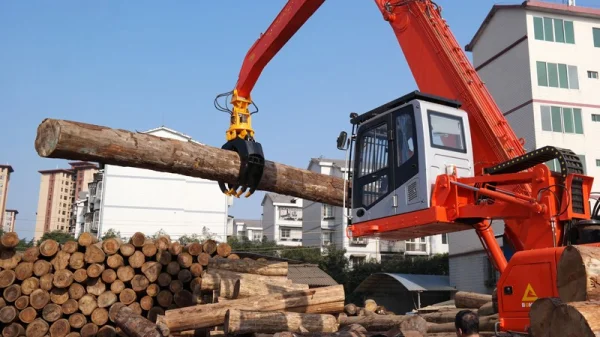
Mobile Timber Handler: Tracked & Wheeled
View More Send A Request Catalog DownloadFor sawmills and timber yards, our mobile timber handler must combine high lifting capacity, long working reach, fast cycle times, good visibility, and reliable operation on demanding outdoor surfaces.
Versatile Applications Across Industries
Key Industries Using Material Handlers
- Port & Terminal: Efficiently handling bulk cargo.
- Scrap Metal Processing: Heavy-duty grapples for steel and iron recycling.
- Waste Management: Streamlining the flow of solid waste and recyclables.
- Mining & Aggregate: Reliable performance in the harshest environments.

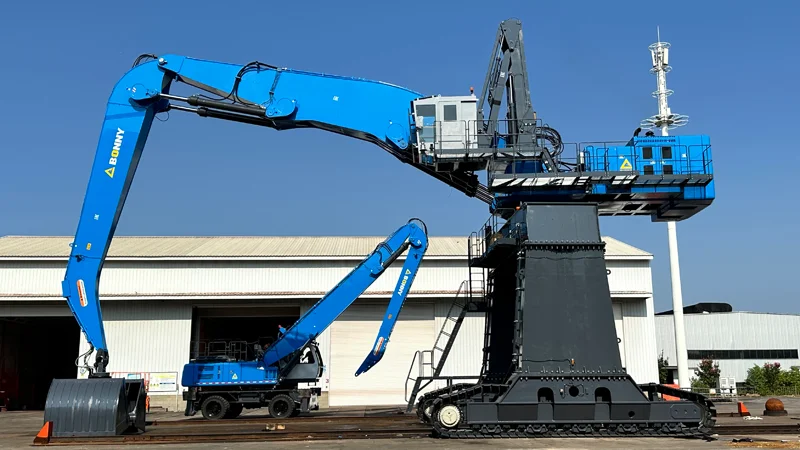
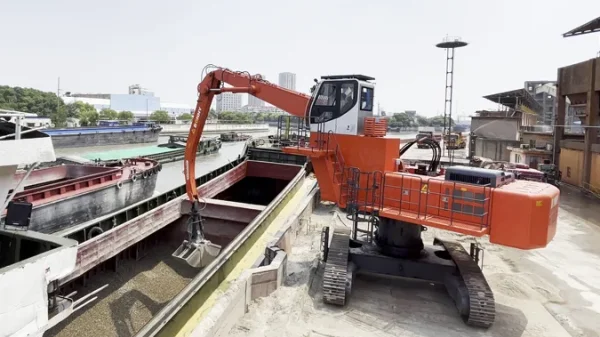
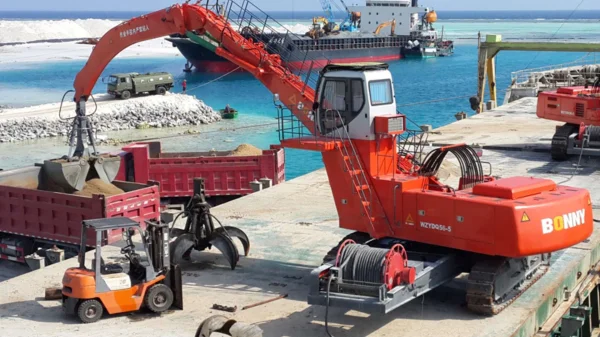
Port Material Handler
Engineered for high-intensity port environments, the Port Material Handler is a heavy-duty mobile solution for the rapid loading and unloading of bulk or general cargo. Optimized for extended reach and fast cycle times, these machines ensure continuous operation while strictly adhering to international port environmental and safety regulations.

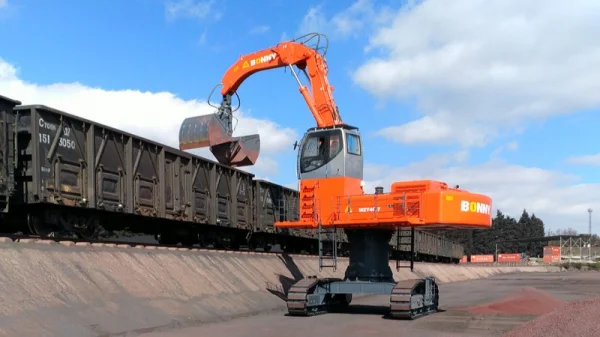
Rail Wagon Material Handler
The Rail Wagon Material Handler provides high-precision handling for loading or discharging bulk materials from railway wagons. Frequently deployed in steel plants, power stations, and inland logistics hubs, its high-reach design ensures efficient clearing of railcars with minimal downtime.

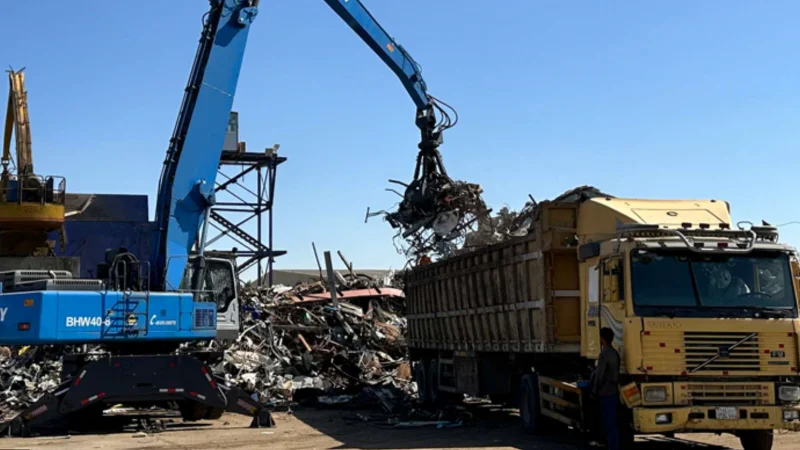
Scrap Material Handler
Specifically built for the rigors of the recycling industry, the Scrap Material Handler excels in managing scrap metal, steel products, and metal waste. Its reinforced structure is designed for the high-impact environments of scrap yards, steel mills, and recycling plants, ensuring long-term durability.

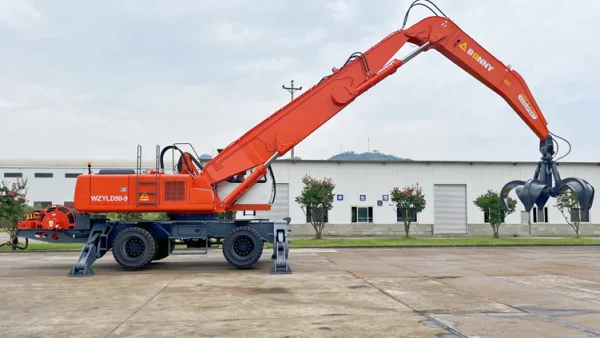
Log and Wood Grappler
Optimized for high-volume forestry logistics, our Log and Wood Grappler is a specialized machine for handling timber, woodchips, and biomass. Perfect for sawmills and pulp & paper mills, it is engineered to move light-to-medium density materials with maximum efficiency and grip precision.
Common Attachments for Material Handlers
| Attachment | Material Type |
| Clamshell grab | bulk material like Coal, ores, sand, gravel, etc. |
| Orange peel grab | Scrap metal, demolition waste, large gravel rock |
| Log Grapple / Timber Grab |
Logs, Timber, Roundwood |
| Hydraulic grab | Bulk solids |
| Magnet | Steel scrap |
| Hook | Big bags, bundles |
-
Clamshell Grab
Send A Request Catalog DownloadThe Clamshell Grab is a high-performance hydraulic or mechanical attachment designed for loose bulk materials. Compatible with various bulk material handlers and ship unloaders, it ensures high-volume discharge for sand, coal, and aggregates.
-
Orange Peel Grab
Send A Request Catalog DownloadFeaturing a multi-tine design, the Orange Peel Grab is essential for handling irregular and bulky items, particularly scrap metal and solid waste. Its powerful hydraulic force allows for deep penetration into scrap piles, maximizing every lift.
-
Material Handler Magnet
Send A Request Catalog DownloadLeverage electromagnetic force with our Material Handler Magnet to streamline the movement of ferrous materials. This attachment allows for the rapid sorting and transport of iron-containing scrap, significantly improving yard safety and operational speed.
-
Wood Timber Grapple / Log Grapple
Send A Request Catalog DownloadAlso known as a Log Grapple or Timber Grab, this attachment is precision-engineered for the safe handling of roundwood and bundled timber. It provides a secure grip for loading and stacking wood products in forestry and port terminals.


FAQ About Mobile Material Handlers
1. What is a mobile material handler?
A mobile material handler is a machine designed to lift, move, sort, load, unload, and stockpile bulk or loose materials. It is commonly used in scrap yards, ports, recycling facilities, steel mills, timber yards, and industrial material handling operations.
2. What is a mobile material handler used for?
Mobile material handlers are used for truck and railcar unloading, scrap metal sorting, timber handling, bulk material stockpiling, feeding processing equipment, and loading materials onto conveyors or into storage areas.
3. What materials can a mobile material handler handle?
Depending on its configuration and attachment, a mobile material handler can handle scrap metal, steel, timber, logs, biomass, waste, aggregates, and other industrial materials.
4. What is the difference between a mobile material handler and an excavator?
A mobile material handler is designed primarily for repetitive lifting, sorting, loading, and material movement. A conventional excavator is primarily designed for digging and earthmoving. Dedicated material handlers may offer specialized booms, improved visibility, suitable lifting configurations, and attachments for material handling applications.
5. What types of mobile material handlers are available?
Common configurations include wheeled material handlers, tracked material handlers, electric material handlers, dual-power material handlers, and specialized port material handlers. The right type depends on ground conditions, travel requirements, operating environment, and handling tasks.
6. How do I choose the right mobile material handler?
Consider the material type, average load weight, required working radius, lifting height, handling capacity, attachment, ground conditions, operating hours, and available power supply. The machine's lifting capacity must be evaluated at the actual working radius and with the selected attachment.
7. What attachments can be used with a mobile material handler?
Common attachments include scrap grapples, orange peel grapples, timber grapples, clamshell buckets, and electromagnets. Attachment selection depends on material characteristics, load size, handling method, and required productivity.
8. Is a wheeled or tracked mobile material handler better?
A wheeled material handler is generally suitable for paved yards and applications requiring frequent travel between working areas. A tracked material handler is often better suited to uneven or softer ground. The final choice depends on ground bearing capacity, travel distance, stability requirements, and site layout.
9. Can a mobile material handler be used for scrap metal recycling?
Yes. Mobile material handlers are widely used in scrap yards for loading, unloading, sorting, stockpiling, and feeding scrap processing equipment. They can be equipped with hydraulic scrap grapples or electromagnets according to the type of scrap being handled.
10. Are electric mobile material handlers available?
Yes. Electric mobile material handlers can be suitable for indoor facilities, recycling plants, and industrial sites where reduced local exhaust emissions and lower operating noise are priorities. Power availability, duty cycle, and site infrastructure should be evaluated before selection.
11. Can a mobile material handler feed a conveyor or processing machine?
Yes. A properly configured mobile material handler can feed conveyors, shredders, shears, hoppers, and other processing equipment. The required reach, discharge height, attachment, and cycle time should be matched to the receiving equipment.
Why to Choose Our Mobile Material Handler Machine?
-
High Mobility
Wheeled or tracked chassis for high mobility.
-
Large Covering Area
Long boom & stick for large area covering.
-
Various Grab for Choosing
Grab, orange peel grab, clamshell, magnet, or hook for grabbing different materials.
-
Various applications
360° slewing for reclaiming, stacking, loading and unloading.
Contact Us for Quotes and Prices!
Just let we know what you want, and we will get in touch with you as soon as possible!

Leading Mobile Bulk Material Handling Equipment Manufacturer in China. A high-tech enterprise specializing in R&D and manufacturing of stacker conveyors, ship loaders, and bucket wheel reclaimers. We provide comprehensive mobile solutions, including mobile hopper feeders, truck unloaders (surface feeders), and transfer conveyors, alongside high-performance mobile crushing and screening plants for global bulk material processing.
How to Contact
- WhatsApp: +8617821512097
- E-mail: [email protected]
-
 Add: China

