
 REQUEST A QUOTE
 EN
 English

Waste and recycling operations demand equipment that can handle a wide variety of materials, work continuously in challenging environments, and adapt to changing material flows. MMSTACKER is a professional supplier of Material Handlers for Waste and Recycling. Our mobile material handlers can be designed to support demanding material handling operations across recycling plants, scrap yards, waste transfer stations, and resource recovery facilities.

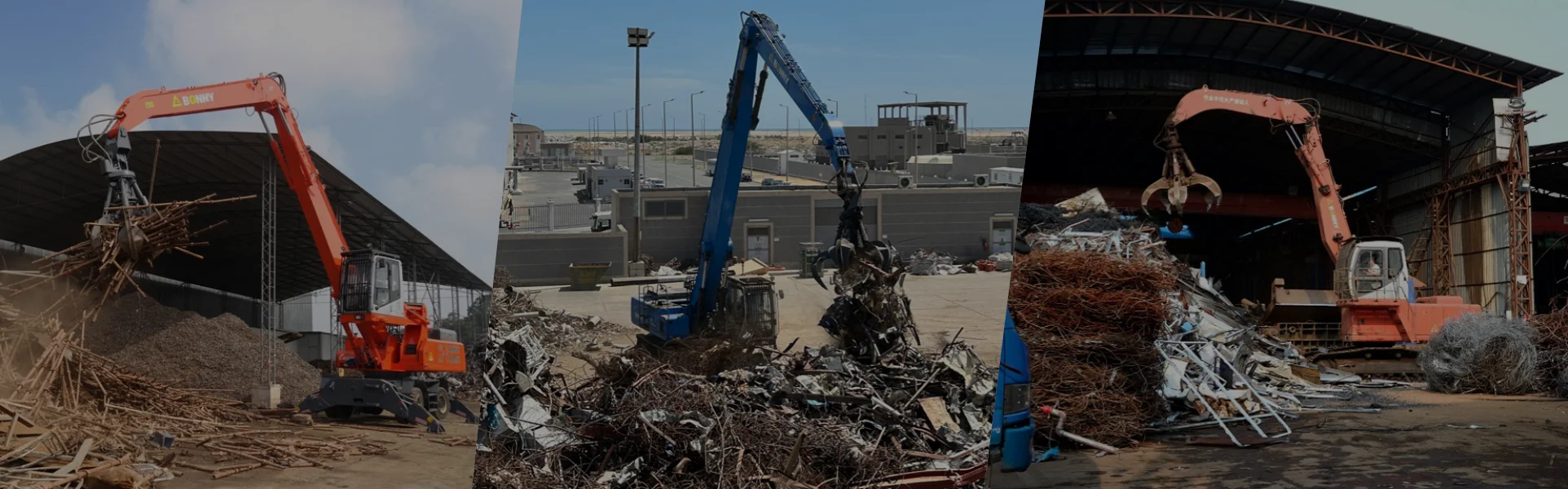
Material Handlers for Scrap Metal and Steel Mills
Discover Our Full Range of Mobile Scrap Handler By Category
Waste Recycling Handler Tracked & Wheeled Type
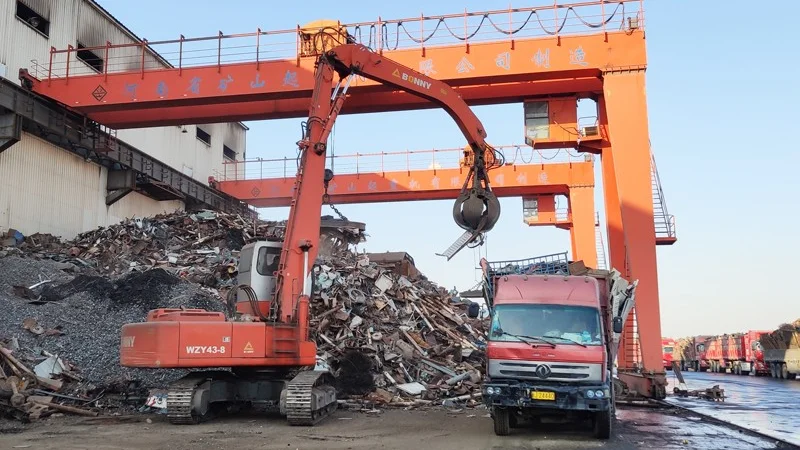
Tracked Material Handler for Waste Recyling
Tracked configurations are worth considering where the working surface is uneven, soft, or less suitable for wheeled equipment.
Typical applications:
- Large outdoor waste handling areas.
- Construction and demolition waste recycling.
- Uneven recycling yards.
- Material handling on challenging ground conditions.
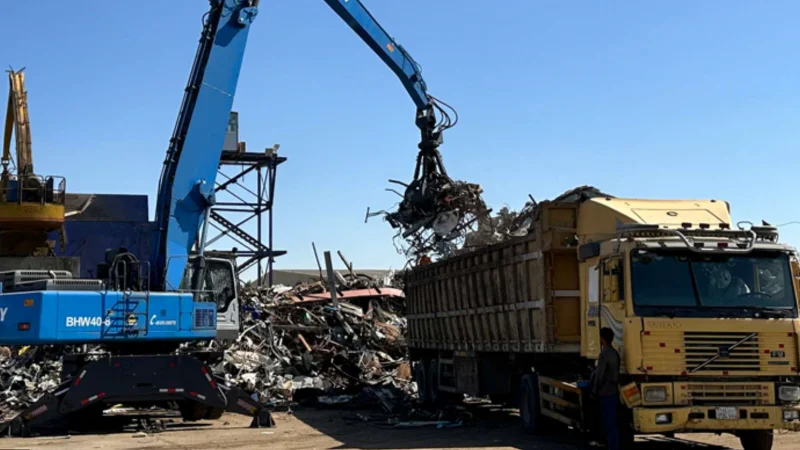
Wheeled Material Handler for Waste Recycling
Wheeled material handlers are suitable for recycling yards and facilities where machines need to move frequently between working areas.
Typical applications:
- Scrap metal yards.
- Waste transfer stations.
- Indoor and outdoor recycling facilities.
- Truck and container loading.
- General waste handling.
Waste Recycling Handler Attachments Types
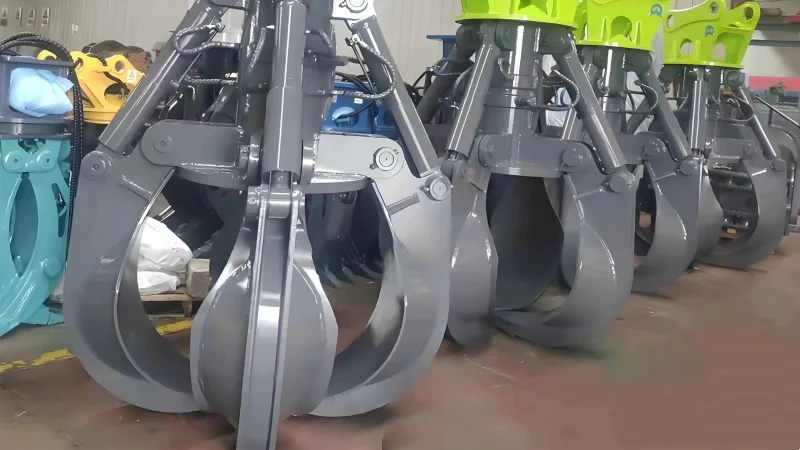
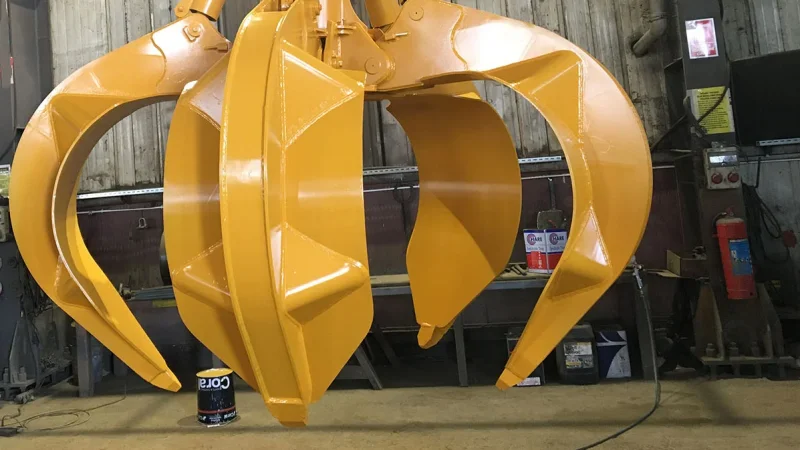
Orange Peel Grab
Orange peel grabs are widely used for handling irregular bulk materials, particularly scrap metal and mixed waste.
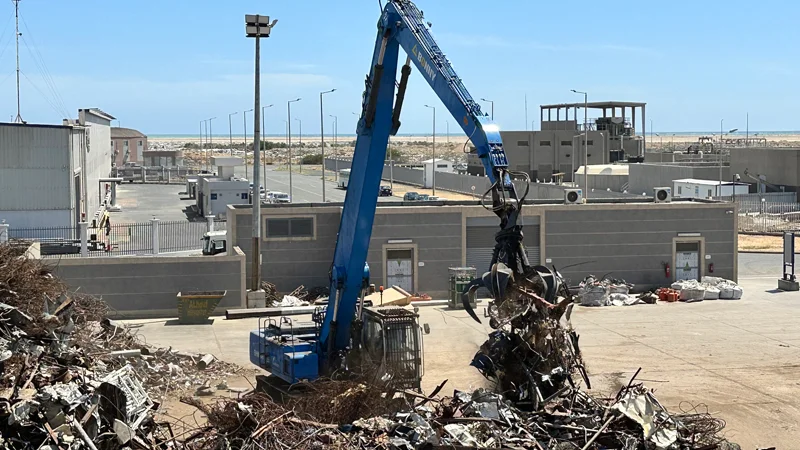
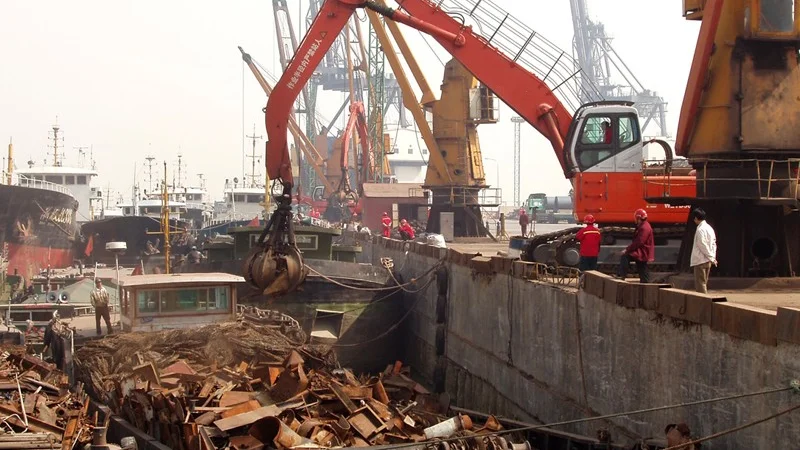
Hydraulic Sorting Grab
Sorting grabs are suitable for picking, separating, and repositioning bulky materials.
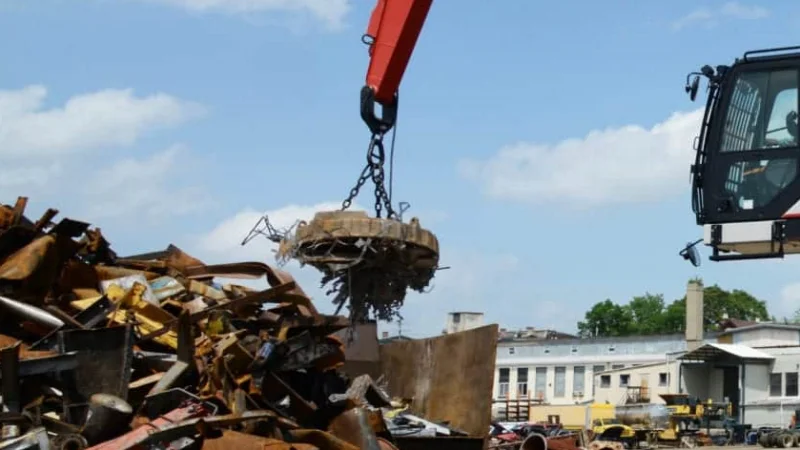
Magnetic Attachment
Magnetic attachments are used to collect and move suitable ferrous materials.
Material Handlers for Different Waste and Recycling
Scrap Metal Recycling
Scrap metal handling involves irregular, heavy, and often abrasive materials. Steel offcuts, metal sheets, machinery parts, structural steel, and mixed ferrous scrap require equipment with suitable lifting capacity, stability, and attachment compatibility.Mobile material handlers can be equipped with hydraulic orange peel grabs or magnetic attachments to:
- Load and unload scrap metal trucks.
- Move ferrous scrap between storage areas.
- Feed shredders, shears, and metal processing equipment.
- Sort different grades of scrap metal.
- Build and reorganize scrap stockpiles.
- Load processed scrap into containers or transport vehicles.
Waste Recycling Facilities
Material recovery facilities (MRFs) handle mixed recyclable materials such as paper, cardboard, plastics, metals, and packaging waste. Incoming materials often arrive in mixed loads and need to be transferred, separated, or fed into downstream processing equipment.A mobile material handler can support operations such as:
- Unloading recyclable materials from trucks.
- Moving loose waste and recyclable materials.
- Feeding sorting lines and conveyor systems.
- Rehandling materials between processing areas.
- Loading separated materials into storage bays.
- Maintaining a consistent supply of material to processing equipment.
Construction and Demolition Waste Recycling
Construction and demolition (C&D) waste includes concrete fragments, bricks, timber, metal, mixed debris, and other recovered building materials. These materials can vary considerably in size, weight, and shape.Mobile material handlers help recycling operators manage incoming debris and maintain material flow around crushing and screening plants.
Typical applications include:
- Unloading mixed construction waste.
- Separating recyclable materials from mixed debris.
- Feeding crushers and screening equipment.
- Moving concrete, bricks, and demolition residues.
- Handling recovered metals and timber.
- Loading recycled aggregates and other processed materials.
Waste Transfer Stations
Waste transfer stations receive waste from collection vehicles before it is consolidated and transported to recycling plants, treatment facilities, or disposal sites.High daily throughput and tight operating areas make efficient material movement particularly important.
Mobile material handlers can be used to:
- Unload waste collection vehicles.
- Move waste within the transfer building.
- Feed loading hoppers and conveyor systems.
- Transfer waste into larger transport vehicles.
- Reorganize temporary storage areas.
- Support continuous loading operations.
Plastic and Paper Recycling
Lightweight recyclable materials such as plastic film, PET bottles, cardboard, and waste paper occupy considerable space relative to their weight. Handling these materials efficiently requires sufficient attachment volume and suitable gripping performance.Depending on the material and operating process, mobile material handlers can use suitable grabs or other material handling attachments to:
- Move loose plastic and paper.
- Feed balers and sorting systems.
- Load and unload recyclable material.
- Reorganize storage piles.
- Transfer recovered materials between processing stages.
For lightweight materials, attachment volume and material retention may be more important than maximum lifting force alone.
How to Select a Material Handler for Waste Recycling?
Choosing a mobile material handler based only on engine power or maximum lifting capacity can lead to poor equipment utilization. A machine should be evaluated against the complete handling process.
1. Material Type and Bulk Density
Start by identifying exactly what the machine will handle.
Scrap steel, aluminum, plastic, cardboard, construction debris, and mixed municipal waste have very different physical characteristics.
Important material information includes:
- Bulk density.
- Maximum material size.
- Shape and distribution.
- Moisture content.
- Abrasiveness.
- Potential contamination.
2. Required Working Reach and Height
Working reach determines how far the machine can handle materials from its operating position. Working height affects its ability to load trucks, containers, stockpiles, and processing equipment.
Consider the actual dimensions of the facility, including:
- Truck and trailer loading height.
- Container dimensions.
- Stockpile height.
- Hopper and conveyor feeding height.
- Distance between the machine and processing equipment.
3. Lifting Capacity and Attachment Weight
The usable material load is not the same as the machine's maximum rated capacity.
The weight of the attachment, lifting configuration, working radius, and machine stability all affect the permissible load.
A larger grab may increase the volume handled per cycle, but it also adds weight and may reduce the available payload.
The attachment and machine must therefore be matched as one operating system.
4. Duty Cycle and Daily Throughput
A machine handling occasional truck unloading has different requirements from one feeding a shredder throughout multiple shifts.
When estimating the required machine capacity, consider:
- Operating hours per day.
- Number of shifts.
- Incoming material volume.
- Required tonnes per hour.
- Average handling distance.
- Loading and unloading cycle time.
- Expected peak operating periods.
5. Working Environment and Site Layout
Recycling facilities can be dusty, muddy, congested, or exposed to abrasive materials. Indoor facilities may have height restrictions and limited maneuvering space.
Evaluate:
- Ground conditions.
- Available operating area.
- Indoor clearance.
- Dust and debris exposure.
- Traffic routes.
- Operator visibility.
- Maintenance access.
The machine should fit the facility's actual layout, not just its material handling requirements.
6. Maintenance and Long-Term Operating Costs
Equipment selection should consider the full operating cost over its service life.
Important factors include:
- Fuel or electricity consumption.
- Routine maintenance requirements.
- Hydraulic hose and attachment maintenance.
- Wear component replacement.
- Service accessibility.
- Spare parts availability.
- Local technical support.
For high-utilization recycling operations, machine availability can have a direct effect on the productivity of the entire facility.
Why Use a Material Handler Instead of a Conventional Excavator?
A conventional excavator can perform some material handling tasks, but a dedicated material handler is generally configured around lifting, reaching, sorting, and repetitive material handling rather than excavation.
For scrap and steel mill applications, a dedicated material handler can be configured with:
- Longer working reach
- Elevated operator visibility
- Larger hydraulic attachments
- Heavy-duty lifting components
- Specialized scrap grapples or magnets
- Improved stability for repetitive lifting
- Configurations optimized for high-cycle material handling
The appropriate machine depends on the actual working envelope, material weight, attachment, and production requirement.
FAQ: Scrap Material Handlers for Scrap and Steel Mills
1. What is a mobile material handler used for in waste and recycling?
A mobile material handler is used to unload, sort, move, stockpile, and load waste and recyclable materials. Common applications include scrap metal recycling, construction waste processing, waste transfer stations, and material recovery facilities.
2. Which attachment is best for scrap metal recycling?
An orange peel grab is commonly used for irregular and loose scrap metal. A magnetic attachment is suitable for handling ferrous materials. The final choice depends on the scrap type, material size, density, and handling process.
3. Can a mobile material handler feed a waste shredder?
Yes. A suitably configured machine can load waste into shredders and other processing equipment. Its working reach, feeding height, attachment capacity, and operating cycle should be matched to the equipment's required feed rate.
4. Are electric mobile material handlers suitable for recycling plants?
Electric configurations can be suitable for indoor facilities and operations with local emission or noise requirements. Power supply, operating hours, duty cycle, and charging or cable arrangements should be evaluated before selection.
5. How do I choose the right size of mobile material handler?
Consider material density, required handling volume, working reach, loading height, attachment weight, daily operating hours, and site conditions. The machine's load chart should be checked for the actual working radius and configuration.
6. Can one mobile material handler handle different types of waste?
Yes, provided the machine and attachments are correctly configured for the different materials. Attachment compatibility, permissible load, hydraulic requirements, and operating conditions must be checked before changing applications.
Why to Choose Our Scrap Material Handler?
-
Reduce unnecessary material movement
Appropriate reach and attachment selection can reduce repeated handling between unloading, sorting, storage, and processing areas.
-
Maintain a consistent feed to processing equipment
A correctly sized machine can help keep shredders, balers, crushers, and conveyors supplied with material.
-
Improve flexibility across different material streams
Interchangeable or application-specific attachments allow one machine configuration to support different handling tasks, subject to compatibility and operating limits.
-
Make better use of available yard space
Mobile machines can reorganize stockpiles and transfer materials between designated storage areas.
-
Support safer and more controlled operations
Suitable machine configuration, visibility, operator training, and site traffic management help reduce operational risks in busy recycling facilities.
Contact Us for Quotes and Prices!
Just let we know what you want, and we will get in touch with you as soon as possible!

Leading Mobile Bulk Material Handling Equipment Manufacturer in China. A high-tech enterprise specializing in R&D and manufacturing of stacker conveyors, ship loaders, and bucket wheel reclaimers. We provide comprehensive mobile solutions, including mobile hopper feeders, truck unloaders (surface feeders), and transfer conveyors, alongside high-performance mobile crushing and screening plants for global bulk material processing.
How to Contact
- WhatsApp: +8617821512097
- E-mail: [email protected]
-
 Add: China

