
 REQUEST A QUOTE
 EN
 English

MMSTACKER is specialized in R&D and manufacturing mobile bulk materials handling equipment, such as stacker conveyor, mobile ship loader and ship unloader, tracked mobile bucket wheel reclaimer and excavator, tracked mobile conveyors and telescopic chutes. Our products cover conveying, reclaiming, feeding, loading and unloading, blending, storage, etc. And they are widely used in quarries, mines, power, ports, grain, paper and other industries.

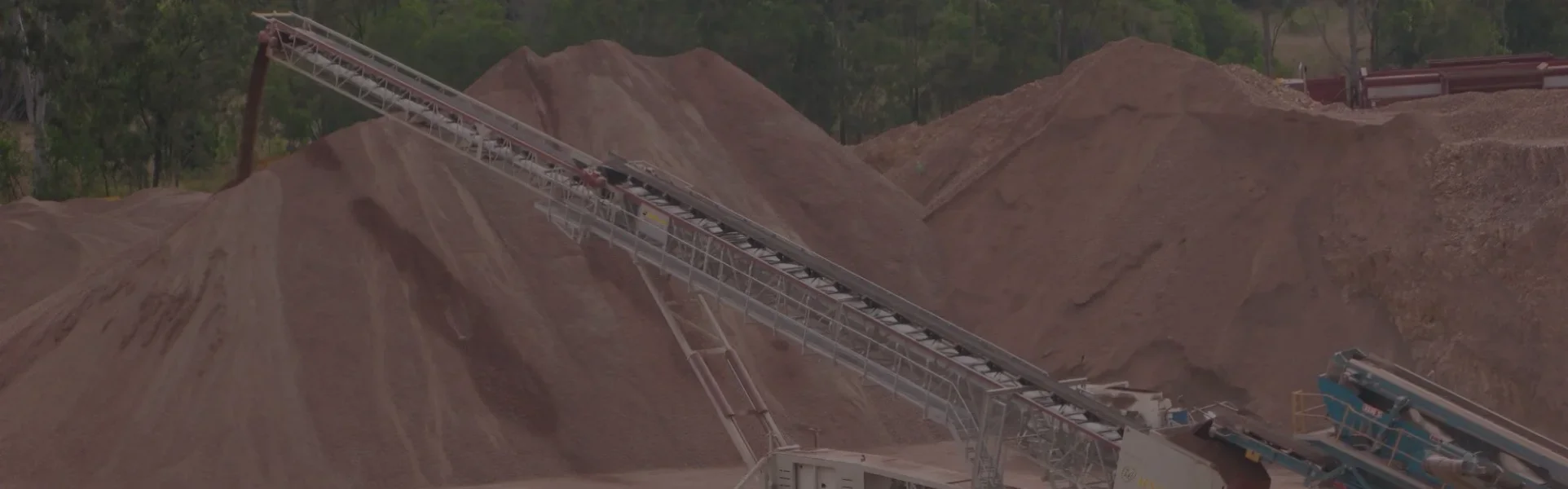
Bulk Material Handling Equipment
Discover Our Full Range of Stacker Conveyors, Ship Loaders, Hopper Feeders, Truck Unlaoders & More

Mobile Stacker Conveyor
Mobile stacker conveyors are used in building bulk material piles in the yards of mine, quarry, port, crushing plant, etc. We can provide tracked stacker, radial stacker, and radial telescopic stacker, and these can feature adjustable height, extendable length, and radial movement.

Mobile Ship Loader
Mobile shiploaders are used in loading bulk materials onto ships efficiently in ports or in-land terminals. Our ship loaders can meet different environmental protection requirements. We can provide radial telescopic shiploader, all wheel travel ship loader, and rail-mounted shiploader for your projects.

Mobile Hopper Feeder
Mobile hopper feeders can be mounted on tracks or wheels. They are commonly used to feed stackers, feed belt conveyors and stockpile piles. We can provide tracked and wheeled mobile hopper feeder. These mobile hopper feeders are often fed by wheel loaders, cran grabs and excavators.

Mobile Truck Unloader
Bulk material receiving feeders and truck tipping platforms are types of truck unloaders. We can offer tracked mobile bulk reception feeder, wheeled bulk reception feeder and hydraulic truck unloading platforms to unload bulk materials from trucks.

Mobile Transfer Conveyor
Our portable transfer conveyor is a type of movable conveyor. Our mobile transfer conveyors can transport bulk materials over short and medium distances without having to carry out large-scale engineering construction.

Telescopic Chutes
A telescopic loading spout, also named as telescopic loading chute or loading bellows, is an efficient device for loading bulk materials into trucks, trains, and ships with integrated dust remover and automatic operation.

Mobile Ship Unloader
Our mobile ship unloaders are essential in ports and in-land terminals for efficient and quick unloading of bulk materials. We can provide chain bucket ship unloaders, screw ship unloaders and grab ship unloaders for your projects.

Mobile Reclaimer & Excavator
The mobile bucket wheel reclaimer, also named mobile bucket wheel excavator, are widely used in bulk materials reclaiming and excavating. Our machines are mounted on tracks. They are often used in Stockyard of Port, Power Plant, Aggregate Plant, etc.
What is Bulk Material Handling Equipment?
Bulk material handling equipment refers to a series of industrial machines for moving and processing unpackaged bulk materials. We have fixed and mobile types. Fixed bulk material handling equipment is permanently installed for long-term, high-capacity operations, while mobile bulk material handling equipment is portable and designed for flexible, short-term or multi-location use.
| Feature | Fixed Equipment | Mobile Equipment |
| Investment cost | Higher, permanent | Lower, flexible |
| Flexibility | Low | High |
| Capacity | Very large scale | Medium to large |
| Maintenance | More complex | Easier |
| Best use cases | Ports, mines, power plants | Multi‑berth ports, temporary projects |
In Which Industries are Bulk Material Handling Equipment Used?
MMSTACKER is one of the world's leading manufacturers of mobile bulk material handling equipment. Our mobile bulk material handling conveyors are one of your best choices for material conveying, stacking, ship loading and unloading, mobile feeding, mobile reclaiming, etc. MMSTACKER is able to supply bulk material handling equipment and complete bulk material handling system for different industries.
| Cement | Power Stations |
| Heap Leaching | Quarrying |
| Mining | Railways |
| Ports and Inland Terminals | Recycling |
| Steel | Stockyard |
| Paper | Others Industries |
What Bulk Materials can Bulk Material Handling Equipment Process?
MMSTACKER provides heavy-duty bulk material handling equipment and system for a variety of applications. The handling capacity ranges from a few hundred tons to thousands of tons. You can use our belt conveyor to handle bulk materials listed below.
| Construction Materials | Aggregate, Sand, Gravel, Clinker, etc. |
| Non-metallic Minerals | Clay, Coal, Coke, Limestone, Phosphates, Potash, Fly Ash, etc. |
| Metal Ores | Aluminum, Bauxite, Copper Ore, Iron Ore, Gold Ore, Lead Ore, Zinc Ore, etc. |
| Paper Raw Materials | Bamboo Slices, Paper Pulp, Wood Chips, etc. |
| Grains | Soybeans, Rapeseed, Wheat, Rice, etc. |
| Waste | Sludge, Glass, etc |
| Agriculture Materials | Fertilizers, Soil Amendments, Top Soil |
| Other Materials | Please consult us! |
FAQ About Bulk Material Handling Equipment
1. What types of bulk material handling equipment does MMSTACKER supply?
MMSTACKER supplies a range of mobile bulk material handling equipment, including mobile stacker conveyors, mobile ship loaders, mobile hopper feeders, mobile truck unloaders, mobile transfer conveyors, mobile Eco Hoppers, telescopic loading chutes, mobile ship unloaders, and mobile bucket wheel reclaimers.
2. What is the difference between fixed and mobile bulk material handling equipment?
Fixed equipment is permanently installed and is often suitable for long-term operations with established conveying routes. Mobile equipment can be repositioned between stockpiles, loading points, or work areas, offering greater operational flexibility and potentially reducing the need for permanent infrastructure.
3. How do I choose the right bulk material handling equipment?
Start by defining the material type, required capacity in tonnes per hour, conveying distance, loading or discharge height, operating layout, and available space. Also consider mobility, dust control, automation, power supply, maintenance access, and future expansion requirements.
4. What is the difference between a stacker conveyor and a transfer conveyor?
A stacker conveyor is designed primarily to build and manage bulk material stockpiles, often with adjustable discharge height or radial movement. A transfer conveyor moves material between equipment or process stages. Some mobile conveyor systems can be configured to perform both functions.
5. What equipment is used for loading and unloading ships?
Ship loading systems commonly include ship loaders, transfer conveyors, hoppers, and telescopic loading chutes. Ship unloading systems may use grab ship unloaders, screw ship unloaders, or chain bucket ship unloaders. The appropriate solution depends on cargo properties, vessel size, required capacity, and port infrastructure.
6. What equipment is suitable for truck unloading and bulk material feeding?
Mobile truck unloaders, bulk reception feeders, and hydraulic truck tipping platforms can receive materials from trucks. Mobile hopper feeders can also receive material from wheel loaders, grabs, or excavators and feed downstream belt conveyors or stackers.
7. How is bulk material handling equipment integrated into a complete system?
A typical system may combine receiving hoppers, feeders, transfer conveyors, stackers, storage areas, reclaimers, and loading equipment. Equipment capacity, transfer-point design, material flow, control systems, and operating sequences should be coordinated to avoid bottlenecks and improve overall system performance.
8. What handling capacity can bulk material handling equipment achieve?
Capacity varies by equipment type, model, material properties, and system configuration. MMSTACKER offers equipment for a range of throughput requirements, from hundreds to thousands of tonnes per hour in suitable applications. The achievable capacity for a specific project should be confirmed through engineering calculations and the proposed technical specifications.
9. Can bulk material handling equipment be customized for specific projects?
Yes. Equipment can be configured according to required capacity, conveying distance, discharge height, mobility, material characteristics, site layout, power supply, and automation requirements. Customization options depend on the machine type and project specifications.
10. How can dust and material spillage be reduced?
Dust and spillage can be controlled through suitable conveyor covers, enclosed transfer chutes, hopper design, belt skirting, dust extraction or suppression systems, and appropriate loading arrangements. The most effective solution depends on the material properties, transfer-point layout, and environmental requirements.
11. What information is needed to request a quotation?
For an initial quotation, provide the material type, bulk density, required capacity, maximum lump size, moisture content, conveying distance, loading and discharge heights, and site layout. Also specify the required equipment, mobility, power supply, dust-control requirements, and applicable project standards. Drawings, photographs, and existing equipment specifications are helpful.
Contact Us for Quotes and Prices!
Just let we know what you want, and we will get in touch with you as soon as possible!

Leading Mobile Bulk Material Handling Equipment Manufacturer in China. A high-tech enterprise specializing in R&D and manufacturing of stacker conveyors, ship loaders, and bucket wheel reclaimers. We provide comprehensive mobile solutions, including mobile hopper feeders, truck unloaders (surface feeders), and transfer conveyors, alongside high-performance mobile crushing and screening plants for global bulk material processing.
How to Contact
- WhatsApp: +8617821512097
- E-mail: [email protected]
-
 Add: China

