
 REQUEST A QUOTE
 EN
EN English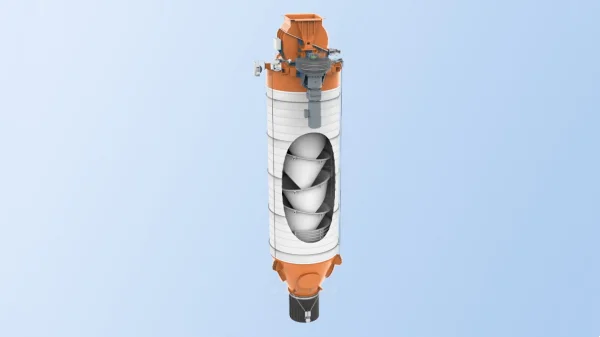
Just let we know what you want, and we will get in touch with you as soon as possible!

How to Choose the Right Telescopic Chute for Truck, Rail and Ship Loading?
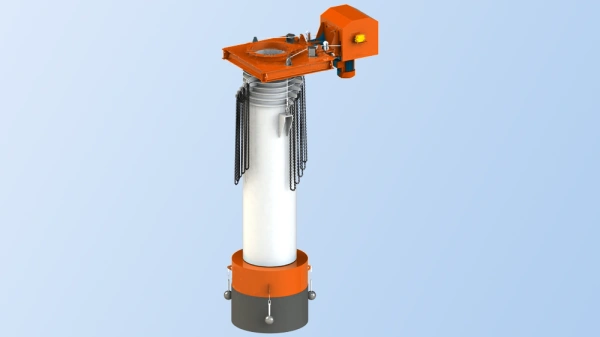
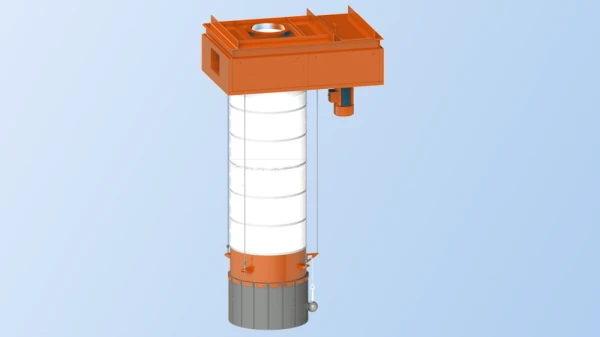
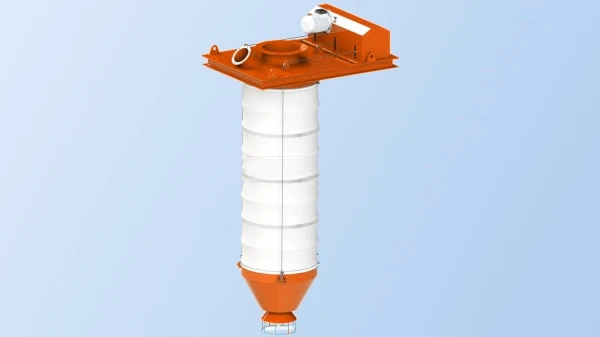
A telescopic loading chute is a critical piece of equipment for dust-controlled, efficient bulk material loading. Choosing the right telescopic chute for truck, rail wagon, or ship loading directly impacts environmental compliance, loading efficiency, equipment life, and operating cost. Because each loading scenario has different working conditions, a one-size-fits-all solution rarely delivers optimal performance.

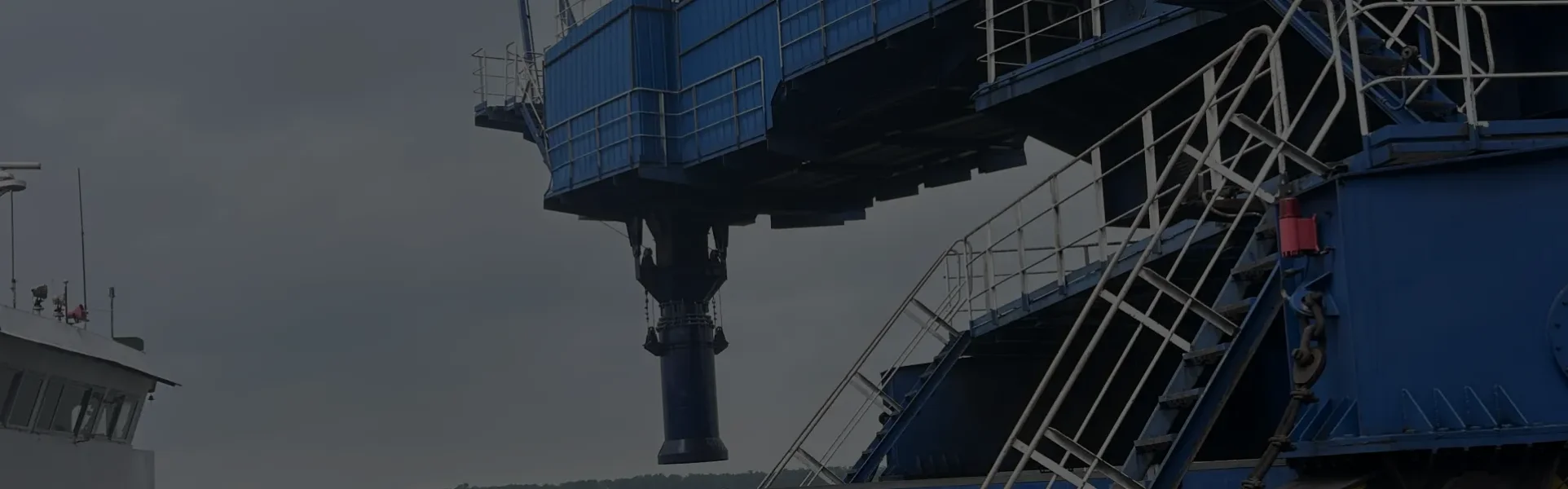
This is a telescopic loading spout for radial ship loader in a sea port.
This article explains how to select the right telescopic chute based on application, material characteristics, and operational requirements.
1. Understand the Loading Application
The first step is to clearly define where and how the chute will be used.
Truck Loading
- Frequent loading cycles
- Relatively small loading area
- Medium drop height
- Emphasis on fast positioning and dust control
Recommended features:
- Compact telescopic design
- Fast hoisting system
- Flexible discharge cone
- Integrated level or position sensors
Rail Wagon Loading
- Long wagons and multiple loading points
- Higher loading accuracy required
- Repetitive and continuous operation
Recommended features:
- Longer telescopic stroke
- Precise positioning control
- Automatic raise/lower function
- Robust wear protection for high throughput
Ship / Barge Loading
- Large drop heights
- High loading capacity
- Strict environmental and port regulations
Recommended features:
- Multi-stage telescopic chute
- Cascade or spiral flow design
- Heavy-duty wear liners
- Dust extraction connection

2. Consider Bulk Material Characteristics
The physical properties of the bulk material strongly influence chute design.
| Material Type | Key Concerns | Recommended Chute Design |
| Cement / Fly Ash | Fine dust, adhesion | Cascade chute + UHMW-PE liner |
| Coal | Dust, impact | Telescopic chute with rubber or PU liner |
| Iron Ore | High abrasion | Wear-resistant steel or ceramic liners |
| Fertilizer | Corrosion | Stainless steel or lined carbon steel |
| Grain | Product damage | Smooth cascade chute with low impact design |
Key material factors to evaluate:
- Particle size and shape
- Abrasiveness
- Moisture content
- Dust generation tendency
- Flowability
3. Choose the Right Chute Type
Free-Fall Telescopic Chute
- Simple structure
- Lower cost
- Suitable for coarse, low-dust materials
Limitations:
- Higher dust generation
- Increased material degradation
Cascade (or Spiral) Telescopic Chute
- Controlled material flow
- Minimal free fall
- Excellent dust suppression
Best choice for:
- Cement, coal, fertilizer, and ports
- Projects with strict environmental requirements
4. Select Suitable Materials and Wear Liners
The chute body and internal liners determine service life and maintenance frequency.
Chute body materials
- Carbon steel: standard applications
- Wear-resistant steel (NM400 / Hardox): abrasive materials
- Stainless steel: corrosive or hygienic environments
Inner wear liner options
- UHMW-PE: low friction, fine materials
- Polyurethane: impact absorption
- Rubber: noise reduction and corrosion resistance
- Ceramic: extreme abrasion zones
A modular liner design is recommended for easy replacement.
5. Evaluate Dust Control Requirements
Dust control is often the primary reason for installing a telescopic chute.
Key dust-control elements include:
- Telescopic tubes to reduce drop height
- Cascade flow to maintain a full material column
- Outer fabric or rubber bellows
- Dust extraction connection to a bag filter or collector
For ship and rail loading, cascade telescopic chutes with dust extraction are usually the most effective solution.
6. Consider Automation and Control Level
Modern telescopic chutes can be manual, semi-automatic, or fully automatic.
Automation options:
- Ultrasonic or radar level sensors
- Automatic hoisting control
- PLC integration with conveyor system
- Emergency stop and overload protection
Higher automation improves safety, consistency, and loading efficiency—especially for rail and ship loading operations.

7. Maintenance and Service Accessibility
A well-designed telescopic chute should minimize downtime.
Look for:
- Easy access to wear liners
- Modular component design
- Durable lifting cables or chains
- Clear inspection points
Lower maintenance requirements result in lower lifecycle cost.
8. Compliance with Standards and Regulations
For port and industrial applications, ensure the chute complies with:
- Environmental dust emission standards
- Local safety regulations
- Port authority requirements (for ship loading)
This is particularly important for export terminals and cement plants.
Choosing the right telescopic chute for truck, rail, and ship loading requires a careful evaluation of application type, bulk material properties, dust control requirements, wear conditions, and automation level.
- Truck loading prioritizes flexibility and speed
- Rail loading demands precision and durability
- Ship loading requires heavy-duty, dust-free, cascade designs
By selecting the correct telescopic chute configuration, operators can achieve cleaner operations, longer equipment life, and higher loading efficiency.
- Telescopic Chute for Grain Loading Applications
- Wear Resistant Design of Telescopic Chutes for Abrasive Materials
- How to Choose Chute Tube Material for Telescopic Chutes
- How Telescopic Chutes Reduce Material Degradation and Spillage
- Cascade Chute vs Free-Fall Telescopic Chute: Which Is Better for Dust Suppression
- Dust Control Solutions Using Telescopic Loading Chutes

Table of Contents

Leading Mobile Bulk Material Handling Equipment Manufacturer in China. A high-tech enterprise specializing in R&D and manufacturing of stacker conveyors, ship loaders, and bucket wheel reclaimers. We provide comprehensive mobile solutions, including mobile hopper feeders, truck unloaders (surface feeders), and transfer conveyors, alongside high-performance mobile crushing and screening plants for global bulk material processing.
How to Contact
- WhatsApp: +8617821512097
- E-mail: [email protected]
-
 Add: China

