
 REQUEST A QUOTE
 EN
EN English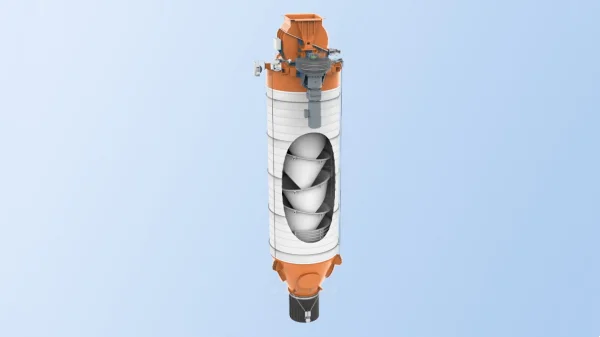
Just let we know what you want, and we will get in touch with you as soon as possible!

How to Choose Chute Tube Material for Telescopic Chutes
When people talk about telescopic loading chutes, they often focus on dust control or automation. But in daily operation, one detail quietly determines how well the chute performs over time: the tube material. Choose the right material, and the chute runs smoothly for years. Choose the wrong one, and maintenance, wear, and downtime quickly become a headache.

Selecting chute tube material is not about picking the strongest steel on paper. It's about understanding how the chute will actually be used.
Start with the Material You Are Handling
The bulk material itself should always be the starting point. Different materials behave very differently inside a chute.
- Fine powders like cement or fly ash tend to stick, generate dust, and wear surfaces slowly but continuously.
- Abrasive materials such as iron ore, sand, and gravel act like sandpaper, quickly grinding away weak surfaces.
- Moist or corrosive materials like fertilizer or salt can attack unprotected steel.
- Fragile materials like grain require smooth surfaces to avoid damage and blockage.
Matching the chute tube material to these behaviors is far more effective than over-designing every project.
Carbon Steel: A Practical Starting Point
For many standard applications, carbon steel is still the most common choice.
It offers:
- Good structural strength
- Easy fabrication and repair
- Lower initial cost
Carbon steel works well for coal, limestone, clinker, and general aggregates, especially when combined with internal wear liners. However, on its own, it is not ideal for highly abrasive or corrosive materials.
Wear-Resistant Steel for Abrasive Conditions
When abrasion becomes the main concern, wear-resistant steel is usually the right upgrade. Grades such as NM400, NM450, or Hardox are commonly used in telescopic chute tubes.
These materials:
- Provide much longer wear life
- Reduce the frequency of liner replacement
- Maintain structural integrity under high throughput
They are especially suitable for iron ore, sand, gravel, and mineral concentrates, where standard carbon steel would wear too quickly.

Stainless Steel for Corrosion and Cleanliness
In environments where corrosion or hygiene matters, stainless steel becomes the better choice.
Typical reasons to use stainless steel include:
- Fertilizer and chemical handling
- Coastal or marine environments
- High humidity or wet materials
- Applications requiring easy cleaning
Grades like 304 and 316 offer smooth surfaces and excellent corrosion resistance. While the initial cost is higher, the long-term reliability often justifies the investment.
Don't Ignore Internal Wear Liners
In many cases, the best solution is not changing the tube material, but protecting it with the right liner.
Common liner options include:
- UHMW-PE for low friction and fine materials
- Polyurethane for impact absorption
- Rubber for noise reduction and wet materials
- Ceramic for extreme abrasion zones
Using liners allows you to optimize cost by keeping the main tube structure simple while replacing only the wear surface when needed.
Consider Weight and Movement
Telescopic chutes move up and down repeatedly. Heavier tube materials increase:
- Load on the hoisting system
- Cable or chain wear
- Energy consumption
This doesn't mean you should avoid strong materials, but it does mean the tube design should balance strength and weight. In many cases, combining a standard steel tube with selective wear protection is more efficient than using heavy wear steel throughout.

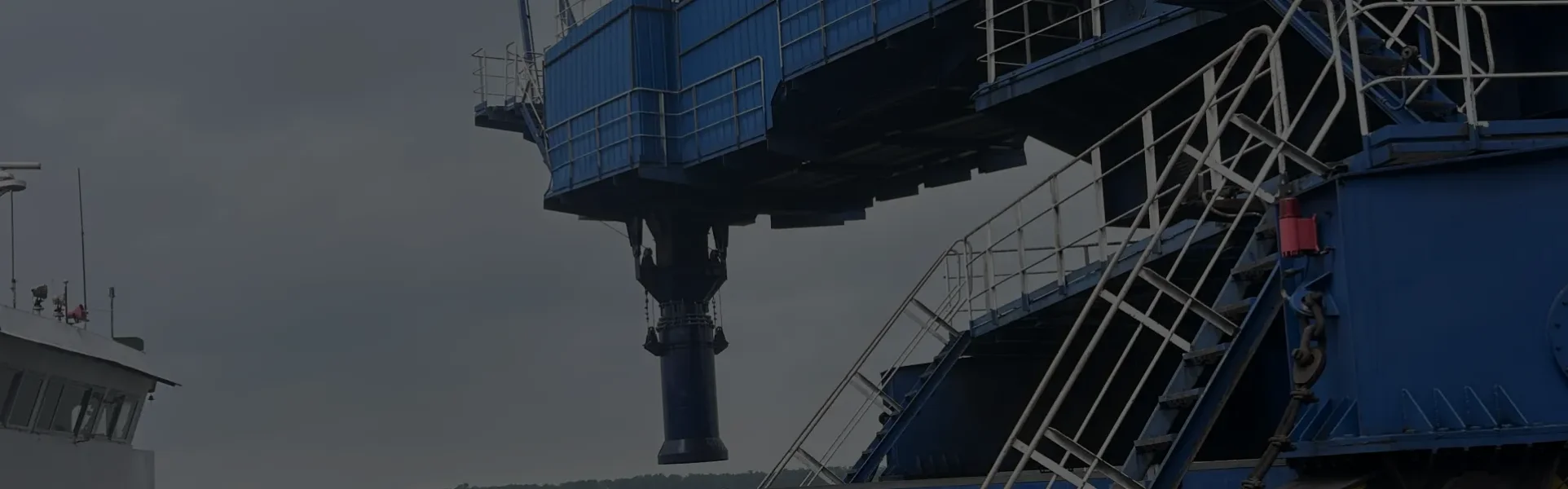
This a cascade chute for ship loader in a port
Think About Maintenance, Not Just Installation
A chute tube material that looks good on day one may become a problem after a year of operation. Ask practical questions.
- How easy is it to repair or replace?
- Are spare materials readily available?
- Can liners be changed without removing the entire chute?
Choosing a material that supports simple maintenance often saves more money than choosing the most expensive option upfront.
Match the Material to the Chute Design
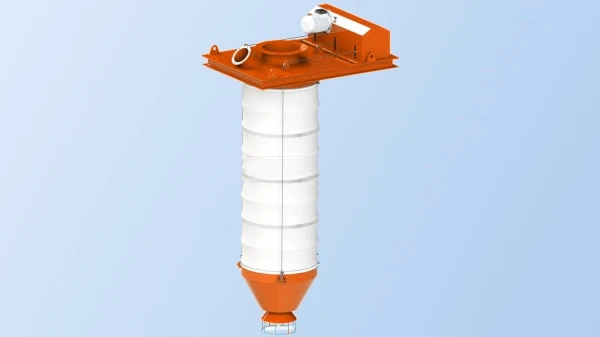
Free-fall chutes and cascade chutes place stress on different areas. Free-fall designs concentrate wear at the discharge point, while cascade chutes spread wear along the flow path.
Understanding this helps you:- Reinforce the right zones
- Select different materials for different sections
- Avoid unnecessary over-design
Choosing chute tube material for a telescopic loading chute is a balance between material behavior, wear conditions, corrosion risk, movement requirements, and maintenance strategy.
There is no single “best” material for every project. The right choice is the one that fits the real operating conditions—not just the specification sheet. When the tube material is selected wisely, the telescopic chute becomes a reliable, long-term solution rather than a recurring maintenance problem.
- Telescopic Chute for Grain Loading Applications
- Wear Resistant Design of Telescopic Chutes for Abrasive Materials
- How Telescopic Chutes Reduce Material Degradation and Spillage
- Cascade Chute vs Free-Fall Telescopic Chute: Which Is Better for Dust Suppression
- How to Choose the Right Telescopic Chute for Truck, Rail and Ship Loading?
- Telescopic Chute Tube Material

Table of Contents

Leading Mobile Bulk Material Handling Equipment Manufacturer in China. A high-tech enterprise specializing in R&D and manufacturing of stacker conveyors, ship loaders, and bucket wheel reclaimers. We provide comprehensive mobile solutions, including mobile hopper feeders, truck unloaders (surface feeders), and transfer conveyors, alongside high-performance mobile crushing and screening plants for global bulk material processing.
How to Contact
- WhatsApp: +8617821512097
- E-mail: [email protected]
-
 Add: China

