
 REQUEST A QUOTE
 EN
EN English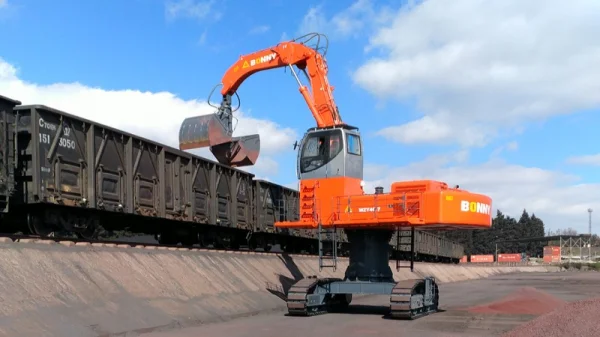
Just let we know what you want, and we will get in touch with you as soon as possible!

What Is a Material Handler and How Does It Work? Buyer’s Guide
If you work in ports, recycling, bulk terminals, or heavy industry, you've probably seen a material handler in action—even if it wasn't always called by that name. These machines are often mistaken for excavators or cranes, but in reality, they're purpose-built for one thing: moving materials efficiently, safely, and repeatedly.

This guide explains what a material handler is, how it works, where it's used, and how to choose the right one, without unnecessary technical jargon.
What Exactly Is a Material Handler?
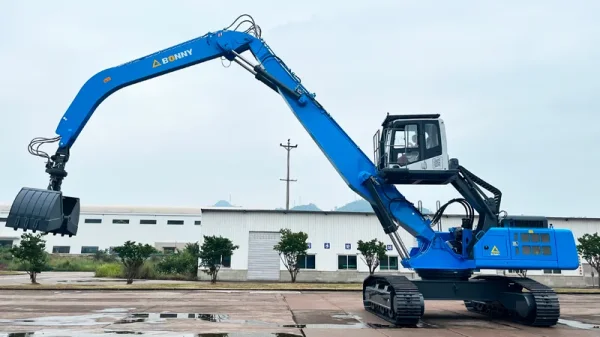
A material handler is a heavy-duty machine designed specifically for lifting, grabbing, sorting, loading, and unloading materials—not digging.
Unlike an excavator, which is optimized for earthmoving, a material handler is optimized for:
- Long working reach
- Stable lifting at height
- Continuous material handling cycles
- Use of specialized attachments such as grabs, magnets, and grapples
In simple terms: Excavators dig. material handlers move materials all day, every day.
Where Are Material Handlers Commonly Used?
Material handlers are widely used in operations where volume, repetition, and efficiency matter more than digging force.
Typical applications include:
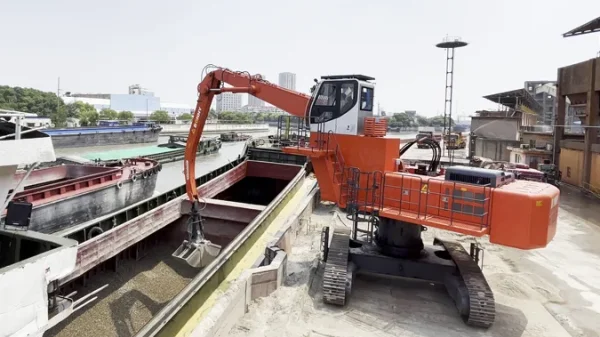
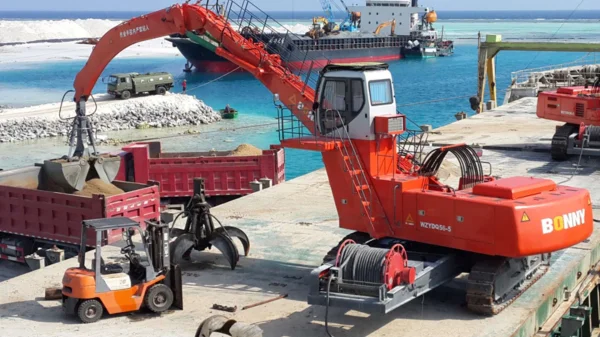
- Ports and terminals – ship loading/unloading, hopper feeding
- Scrap yards – sorting and moving scrap metal
- Rail yards – loading and unloading rail wagons
- Steel mills – handling billets, plates, and scrap
- Timber yards – log and wood handling
- Power plants – coal and biomass handling
How Does a Material Handler Work?
At a glance, a material handler looks complex, but the working principle is straightforward.
1.The Undercarriage – How It Moves
Material handlers come in two main types:
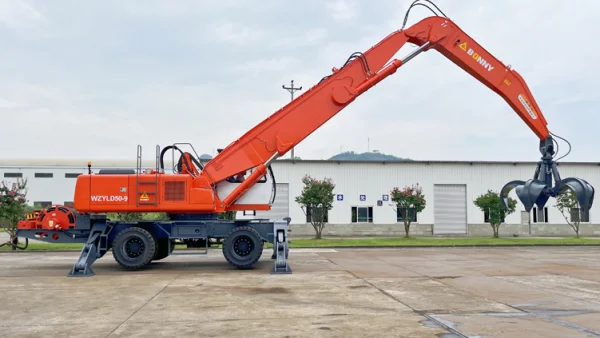
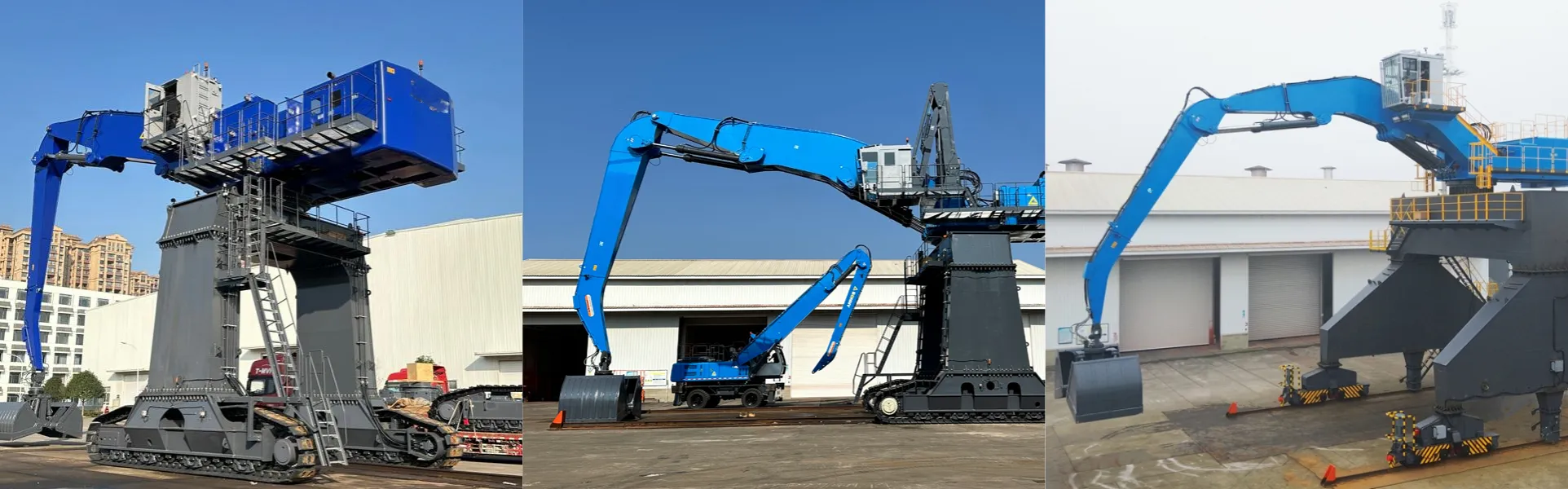
- Wheeled – fast movement on concrete or asphalt
- Tracked – better stability on soft or uneven ground
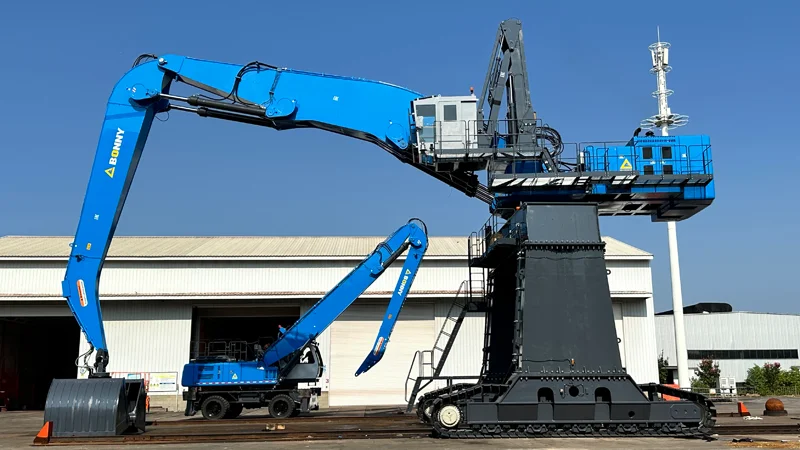
Wheeled machines often include outriggers or a pylon to stay stable while lifting.
2. The Upper Structure – Where the Work Happens
The upper structure rotates 360° and includes:
- The operator cabin (often raised for better visibility)
- Hydraulic pumps and control systems
- Counterweights for lifting balance
This rotation allows the operator to pick up material in one place and drop it somewhere else without repositioning the machine.
3. Boom and Stick – Reaching the Material
Material handlers use longer booms and sticks than excavators. This allows them to:
- Reach deep into ship holds
- Load high-sided rail wagons
- Stack materials higher and farther away
Reach is one of the most important buying factors and often matters more than digging power.
4. Attachments – The Real Job Tools
This is where material handlers truly differ from excavators.
Common attachments include:
- Clamshell grabs – coal, grain, sand, clinker
- Orange peel grabs – scrap metal and waste
- Magnets – steel scrap and billets
- Log grapples – timber and logs
A material handler can often switch between attachments, making it a multi-purpose machine.
5. Power System – Diesel, Electric, or Dual Power
Modern material handlers are available in:
- Diesel – flexible and mobile
- Electric – quiet, low operating cost, zero on-site emissions
- Dual power – diesel for travel, electric for working
Ports and terminals increasingly prefer electric or dual-power machines due to energy savings and environmental regulations.
What Makes a Material Handler Different from an Excavator?
This is one of the most common buyer questions.
| Feature | Material Handler | Excavator |
| Primary function | Handling materials | Digging |
| Boom reach | Long | Shorter |
| Lifting stability | Very high | Moderate |
| Attachments | Grabs, magnets | Buckets |
| Operating cycle | Continuous | Intermittent |
If your job involves moving material instead of digging, a material handler will almost always be the better choice.
How to Choose the Right Material Handler
Buying a material handler isn't just about machine size—it's about matching the machine to your operation.
1. Define the Material
- Bulk (coal, grain)?
- Scrap metal?
- Timber or biomass?
This determines attachment type and machine configuration.
2. Understand Your Working Area
- Concrete yard or soft ground?
- Fixed position or frequent relocation?
- Indoor or outdoor operation?
This helps decide wheeled vs tracked and power type.
3. Calculate Required Capacity (TPH)
Handling capacity depends on:
- Attachment size
- Cycle time
- Material density
Many buyers oversize machines unnecessarily, increasing cost without real benefit.
4. Consider Power and Operating Cost
Electric and dual-power machines often have:
- Lower energy cost per hour
- Lower maintenance
- Better long-term ROI
Especially important for ports and terminals.
5. Think Long-Term, Not Just Purchase Price
A cheaper machine with higher fuel consumption or downtime often costs more over its lifetime.
Focus on:
- Reliability
- Service support
- Attachment flexibility
- Total cost of ownership (TCO)
Common Buying Mistakes to Avoid
- Choosing an excavator instead of a material handler
- Oversizing the grab or attachment
- Ignoring reach requirements
- Underestimating operating hours
- Not planning for future material types
Is a Material Handler Worth the Investment?
For operations that handle large volumes daily, the answer is almost always yes.
A properly selected material handler can:
- Increase productivity
- Reduce labor and cycle time
- Improve safety
- Lower long-term operating cost
A material handler isn't just a machine—it's a core productivity tool in modern bulk, scrap, and port operations. Understanding how it works and how it differs from other equipment helps you make a smarter, more confident buying decision.
If your operation revolves around moving materials instead of digging, a material handler is not an upgrade—it's the right tool for the job.
- Electric Material Handler for Ports, Scrap & Bulk Handling
- Best Material Handler Attachments for Scrap Metal, Bulk Materials, and Timber Handling
- Dual Power Material Handler for Ports: Diesel vs Electric Operating Cost
- How to Choose the Right Grab for a Material Handler: Clamshell, Orange Peel, or Magnet
- Mobile Material Handler for Rail Wagon Loading & Unloading
- Wheeled vs Tracked Material Handler: Which One Is Right for Your Project?

Table of Contents

Leading Mobile Bulk Material Handling Equipment Manufacturer in China. A high-tech enterprise specializing in R&D and manufacturing of stacker conveyors, ship loaders, and bucket wheel reclaimers. We provide comprehensive mobile solutions, including mobile hopper feeders, truck unloaders (surface feeders), and transfer conveyors, alongside high-performance mobile crushing and screening plants for global bulk material processing.
How to Contact
- WhatsApp: +8617821512097
- E-mail: [email protected]
-
 Add: China

