
 REQUEST A QUOTE
 EN
EN English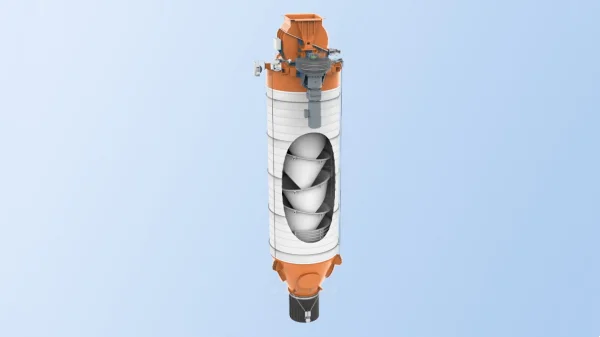
Just let we know what you want, and we will get in touch with you as soon as possible!

How Telescopic Chutes Reduce Material Degradation and Spillage
In bulk material handling, two problems quietly eat away at efficiency every day: material degradation and spillage. They don't always stop operations, but over time they increase cleanup costs, shorten equipment life, reduce product quality, and create safety risks.
Telescopic loading chutes were originally introduced to control dust, but in practice, they do much more than that. When designed and used correctly, they play a major role in protecting material quality and keeping loading areas clean.

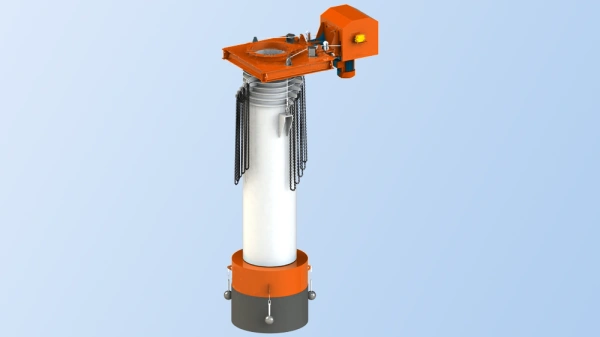
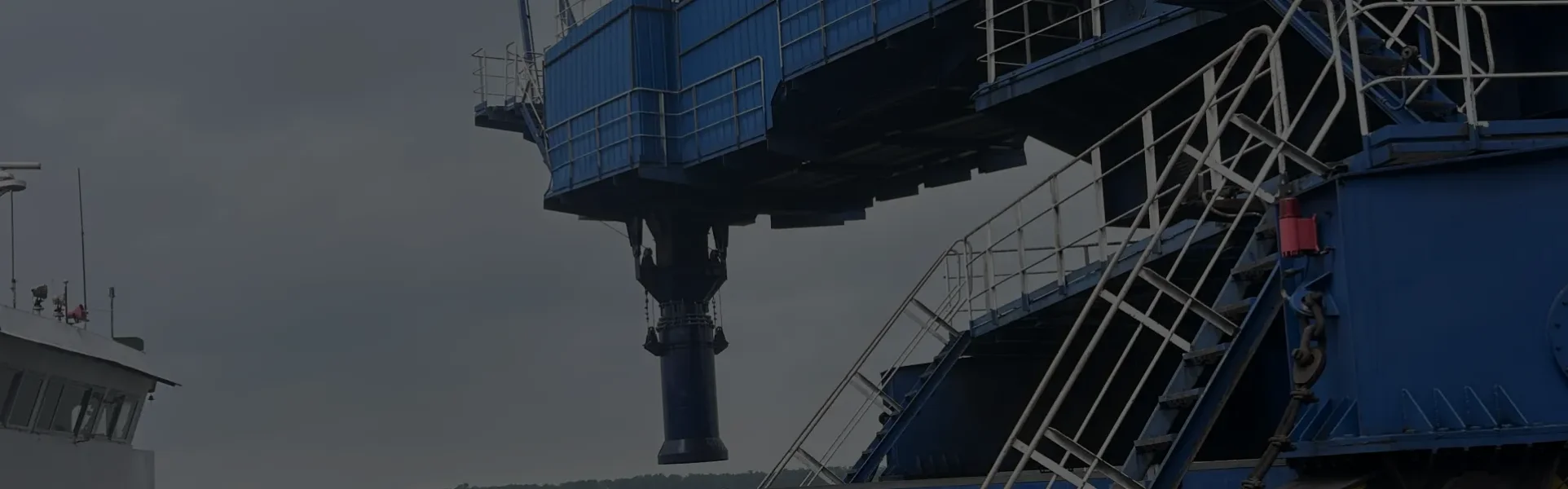
This is a telescopic chute for grain ship laoder in port.
Why Material Degradation Happens During Loading
Material degradation occurs mainly during uncontrolled free fall. When bulk material drops from a height, it accelerates rapidly and then hits the pile or container floor with high impact energy. That impact can:
- Break fragile particles
- Increase the amount of fines
- Cause segregation, where fine and coarse material separate
This is especially noticeable with materials like cement clinker, coal, fertilizer, and certain aggregates, where excessive fines reduce product value or create handling problems downstream.
Reducing Drop Height Is the First Step
The most basic way telescopic chutes reduce degradation is by reducing the drop height. Instead of material falling several meters from a conveyor discharge, the chute extends downward and delivers material close to the surface of the pile.
Less falling distance means:
- Lower material velocity
- Reduced impact energy
- Less breakage on contact
This simple change already makes a measurable difference compared to open or fixed drop loading.
Controlled Flow Instead of Free Fall
Advanced telescopic chutes go beyond just reducing height. Designs with cascade or spiral flow sections guide material along internal surfaces rather than letting it fall freely.
As the material moves down:
- Speed is reduced gradually
- Impact forces are absorbed in stages
- The material stream remains stable
This controlled flow is much gentler on the material, helping preserve particle size and consistency.
Preventing Segregation During Loading
Segregation often happens when material separates in mid-air. Fine particles stay suspended longer, while larger particles fall faster. When they land, the pile ends up uneven, with fines concentrated in certain areas.
Telescopic chutes help prevent this by:
- Maintaining a continuous material column
- Minimizing air entrainment inside the chute
- Delivering material in a more uniform stream
The result is a more consistent product distribution, especially important for cement, fertilizer, and blended materials.

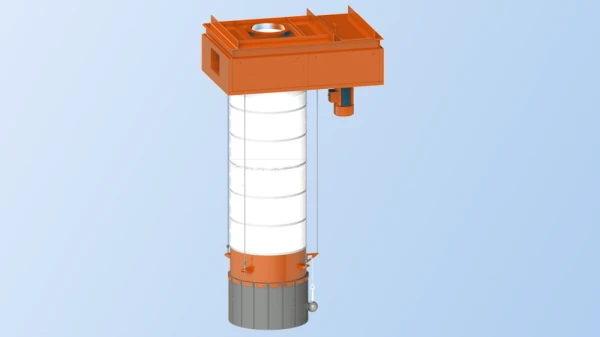
This is a radial telescopic ship loader for coal loading.
How Telescopic Chutes Reduce Spillage
Spillage usually comes from poor control at the discharge point. Wind, misalignment, and uncontrolled material flow cause material to miss the target or bounce out of the container.
Telescopic chutes reduce spillage in several ways:
- Enclosed chute structure guides material precisely
- Adjustable discharge height improves placement accuracy
- Flexible discharge cones adapt to uneven pile surfaces
By keeping the material stream controlled and centered, less material ends up on the ground or around the loading area.
Better Alignment Means Cleaner Loading
In truck and rail loading, alignment is rarely perfect. Vehicles move, piles shift, and loading positions change.
Because telescopic chutes can be raised and lowered during loading, operators can adjust in real time, keeping the discharge point close to the material surface. This flexibility greatly reduces overflow and side spillage, especially during the final stages of loading.
Lower Impact Also Means Less Equipment Wear
Material degradation and spillage are closely linked to wear. High-impact loading not only damages material but also:
- Accelerates wear on chutes and liners
- Increases damage to truck beds and rail wagons
- Raises maintenance costs
By reducing impact energy, telescopic chutes help protect both the material and the equipment handling it.

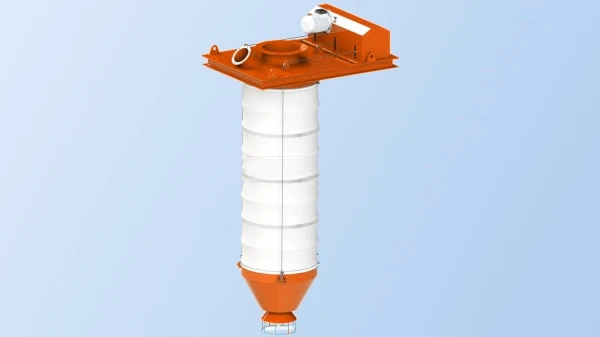
This is a telescopic chute for truck loading.
Real-World Benefits Operators Notice
Facilities that switch to telescopic loading chutes often report:
- Less cleanup around loading areas
- Lower loss of saleable material
- Improved product quality
- Fewer complaints from transport operators
- Safer, more organized work-spaces
These benefits add up quickly, especially in high-throughput operations.
Telescopic chutes are often chosen for dust control, but their impact on material degradation and spillage is just as important. By reducing drop height, controlling material flow, and improving discharge accuracy, they protect product quality while keeping loading areas clean and efficient.
For operations handling valuable or fragile bulk materials, telescopic loading chutes are not just a dust solution—they are a smart investment in quality, safety, and long-term operational efficiency.
- Telescopic Chute for Grain Loading Applications
- Wear Resistant Design of Telescopic Chutes for Abrasive Materials
- How to Choose Chute Tube Material for Telescopic Chutes
- Cascade Chute vs Free-Fall Telescopic Chute: Which Is Better for Dust Suppression
- Dust Control Solutions Using Telescopic Loading Chutes
- How to Choose the Right Telescopic Chute for Truck, Rail and Ship Loading?

Table of Contents

Leading Mobile Bulk Material Handling Equipment Manufacturer in China. A high-tech enterprise specializing in R&D and manufacturing of stacker conveyors, ship loaders, and bucket wheel reclaimers. We provide comprehensive mobile solutions, including mobile hopper feeders, truck unloaders (surface feeders), and transfer conveyors, alongside high-performance mobile crushing and screening plants for global bulk material processing.
How to Contact
- WhatsApp: +8617821512097
- E-mail: [email protected]
-
 Add: China

