
 REQUEST A QUOTE
 EN
EN English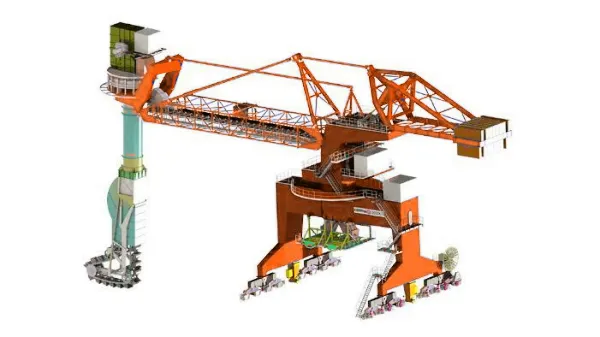
Just let we know what you want, and we will get in touch with you as soon as possible!


Screw Ship Unloader for Dust-Free Bulk Handling
Handling bulk materials at ports has always been a balance between productivity, safety, and environmental control. For dusty or sensitive materials such as coal, quicklime, cement, or grain, traditional grab cranes often struggle with spillage and airborne dust. In recent years, the screw ship unloader has become a preferred solution for terminals that require enclosed, dust-free unloading without sacrificing operational reliability.

What Is a Screw Ship Unloader?
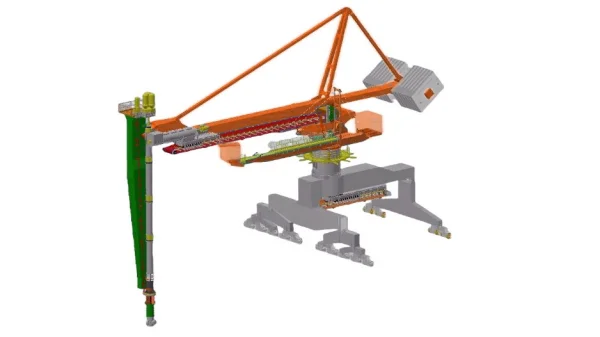
A screw ship unloader is a mechanical continuous unloading system that uses one or more rotating screw conveyors to extract bulk material from a ship's hold and transfer it to a downstream conveyor, hopper, or silo. Unlike grab cranes, which operate intermittently, screw unloaders provide a steady and controlled material flow.
The entire conveying path is typically enclosed, making this type of unloader particularly suitable for materials that generate dust or react with moisture.
Why Dust Control Matters in Bulk Unloading
Dust is more than a housekeeping issue in port operations. It affects:
- Worker health and safety
- Environmental compliance
- Material loss and contamination
- Community relations around ports
Materials such as quicklime and cement are especially problematic. When exposed to air and moisture, they can become hazardous and difficult to handle. Screw ship unloaders address this challenge by operating within sealed casings, significantly reducing dust emissions during unloading.
In many installations, additional dust collectors or bag filters are integrated at transfer points, allowing terminals to meet strict environmental limits, often below 50 mg/m³ of dust concentration.
How screw ship unloaders Achieve Dust-Free Operation
The dust-free performance of a screw ship unloader comes from several design features:
- Fully enclosed screw conveyor housing
- Sealed inlet hoods inside the ship's hold
- Controlled material flow without free fall
- Optional connection to closed hatch outlets or bottom discharge valves
- Integrated dust extraction systems
Because the material is continuously conveyed rather than dropped, dust generation is minimized throughout the unloading process.
Performance and Throughput
Modern screw ship unloaders typically operate in a capacity range of 300 to 2,000 tons per hour, depending on screw diameter, length, and material characteristics.
While they do not match the extreme capacities of large bucket-chain unloaders, screw unloaders provide consistent and predictable unloading rates, which helps reduce vessel turnaround time compared to grab-based systems.
For example, a 1,200 t/h screw ship unloader can unload a 70,000-ton Panamax coal vessel in approximately 60 hours, including repositioning time.

Material Handling Versatility
Screw ship unloaders can handle a wide range of bulk materials, including:
- Coal
- Quicklime
- Cement
- Grain
- Fertilizers
By adjusting screw pitch, diameter, and wear lining, the same unloader can be adapted for different bulk densities and flow characteristics. This flexibility makes screw unloaders attractive for multi-commodity ports.
Operational Advantages
Compared with traditional grab unloading, screw ship unloaders offer several practical benefits:
- Lower dust emissions
- Gentle material handling, reducing degradation and fines
- Continuous operation, avoiding stop-start inefficiencies
- Reduced spillage and cleanup
- Improved safety due to enclosed operation
For materials where product quality matters, such as sized coal or reactive lime, the reduced degradation can be a significant advantage.
Limitations to Consider
Despite their benefits, screw ship unloaders are not the best solution for every terminal. Key limitations include:
- Lower maximum capacity compared to large continuous bucket unloaders
- Limited reach, requiring precise positioning or rail-mounted travel
- Higher initial investment than simple grab crane systems
- Wear on screws when handling abrasive materials
Sticky or wet materials may also require additional measures such as vibrators or anti-stick coatings to prevent clogging.

Typical Applications
Screw ship unloaders are commonly used in:
- Coal import terminals
- Quicklime and cement terminals
- Power plants
- Steel and metallurgical plants
- Ports with strict environmental regulations
They are particularly well-suited for terminals where dust control is a priority and where cargoes are unloaded through closed or semi-closed hatch systems.
For ports and terminals handling dusty or sensitive bulk materials, the screw ship unloader offers a practical balance between environmental performance and operational efficiency. While it may not be the fastest unloading system available, its dust-free, enclosed operation makes it a reliable choice for modern bulk handling operations facing increasing regulatory and safety requirements.
As environmental standards continue to tighten, screw ship unloaders are likely to play an even more important role in clean, controlled bulk unloading.
- Screw Ship Unloader Parts List – Explained from Practical Site Experience
- How to Choose the Right Ship Unloader for Coal, Grain, and Cement Ports
- Screw Ship Unloader vs. Grab Ship Unloader: A Comparison
- Large-capacity Coal Ship Unloader
- Continuous Ship Unloader for Bulk Materials Handling
- Mechanical Ship Unloader For Bulk Material Unloading

Table of Contents

Leading Mobile Bulk Material Handling Equipment Manufacturer in China. A high-tech enterprise specializing in R&D and manufacturing of stacker conveyors, ship loaders, and bucket wheel reclaimers. We provide comprehensive mobile solutions, including mobile hopper feeders, truck unloaders (surface feeders), and transfer conveyors, alongside high-performance mobile crushing and screening plants for global bulk material processing.
How to Contact
- WhatsApp: +8617821512097
- E-mail: [email protected]
-
 Add: China

