
 REQUEST A QUOTE
 EN
EN English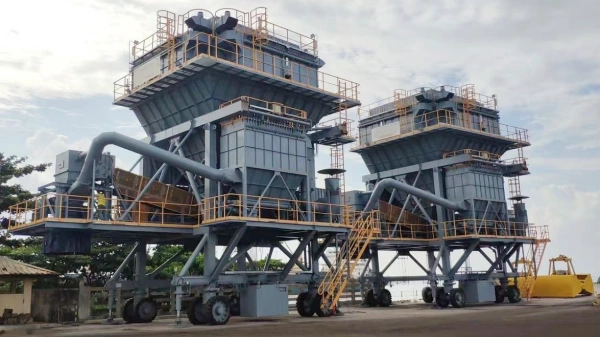
Just let we know what you want, and we will get in touch with you as soon as possible!

Selection of Dust Removal Methods for Mobile Hoppers
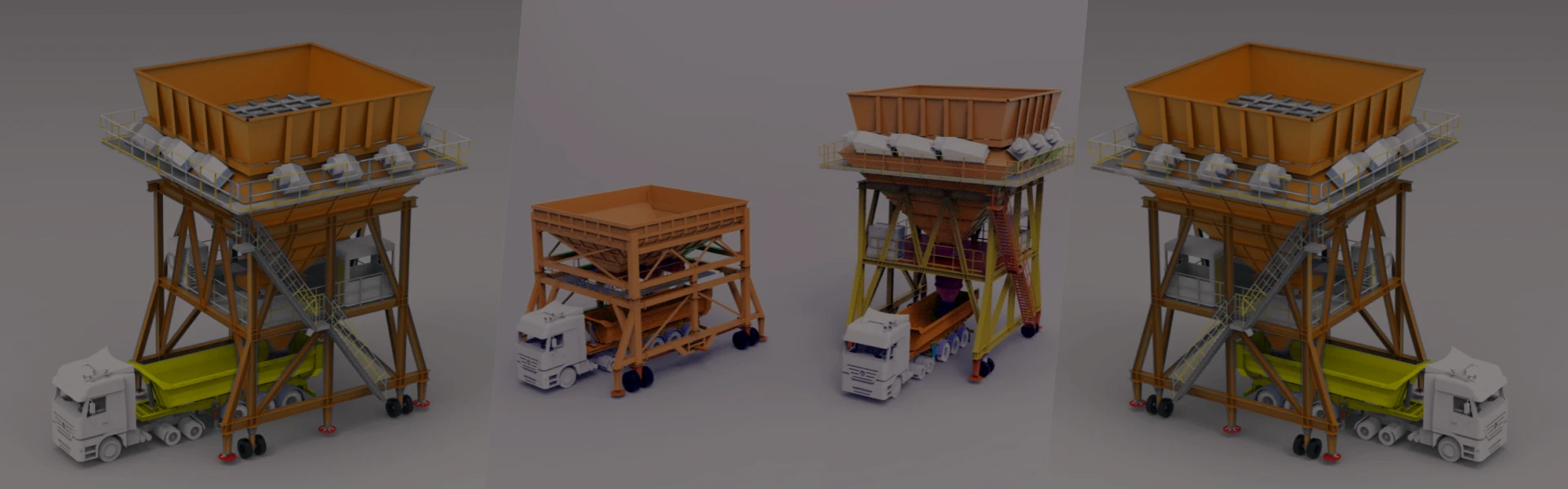
In bulk material handling—whether at ports, mines, or industrial plants—mobile hoppers play a crucial role in receiving and transferring materials. But along with efficiency comes a persistent challenge: dust. Anyone who has stood near a busy unloading operation knows how quickly airborne dust can become a problem, affecting not only equipment performance but also worker health and environmental compliance.
Choosing the right dust removal method for a mobile hopper isn't just a technical decision—it's a balance between practicality, cost, site conditions, and long-term sustainability. Let's walk through how to make that choice in a way that actually works in the real world.

Why Dust Control Matters in Mobile Hoppers
Dust is generated mainly during material transfer—especially when bulk materials like coal, cement clinker, grain, or aggregates fall into the hopper. The impact and friction break particles apart, creating fine dust that easily becomes airborne.
Without proper dust control:
- Air quality deteriorates, posing health risks
- Equipment suffers from wear and contamination
- Material loss increases
- Environmental regulations may be violated
So, dust removal is not optional—it's essential.
Key Factors to Choose a Dust Control Method for Mobile Hoppers
Before jumping into specific solutions, it's important to understand the working conditions of your mobile hopper. The “best” dust control system depends heavily on context.
1. Type of Material
Different materials behave differently:
- Coal and clinker: high dust generation
- Grain: lighter, more explosive dust
- Sand and aggregates: heavier particles, easier to control
2. Handling Capacity
A hopper handling 300 TPH will have very different requirements compared to one running at 2000+ TPH. Higher throughput means more dust and stronger control measures.
3. Mobility Requirements
Since mobile hoppers are designed to move, dust control systems must not compromise mobility. Bulky or complex systems may reduce operational flexibility.
4. Environmental Regulations
Ports and urban areas often have strict emission standards, requiring more advanced dust collection systems.
5. Climate and Site Conditions
Wind, humidity, and temperature all influence dust behavior. For example:
- Dry, windy environments worsen dust spread
- High humidity can naturally suppress dust

Common Dust Removal Methods for Mobile Hoppers
Let's look at the most widely used dust control solutions, along with their strengths and limitations.
1. Water Spray Dust Suppression
This is one of the simplest and most cost-effective methods.
How it works:
Fine water mist is sprayed at dust generation points, binding dust particles and causing them to settle.
Advantages:
- Low initial investment
- Easy to install and operate
- Effective for many materials
Limitations:
- Not suitable for moisture-sensitive materials (e.g., cement, grain)
- Can create slurry or material handling issues
- Requires water supply and drainage management
Best for: Coal, aggregates, and outdoor operations where water use is acceptable.
2. Dry Fog Dust Suppression
An upgraded version of water spraying, this method uses ultra-fine droplets.
How it works:
Dry fog systems create droplets similar in size to dust particles, allowing them to collide and settle without wetting the material.
Advantages:
- Minimal moisture addition
- More efficient than conventional sprays
- Reduces material handling issues
Limitations:
- Higher cost than basic spray systems
- Requires precise control and maintenance
Best for: Operations where moisture must be controlled but dust suppression is still needed.
3. Bag Filter (Dust Collector) Systems
This is a more advanced and environmentally friendly solution.
How it works:
Dust-laden air is drawn into a filtration system where particles are captured by filter bags, and clean air is released.
Advantages:
- High dust removal efficiency
- Meets strict environmental standards
- Suitable for enclosed systems
Limitations:
- Higher capital and maintenance costs
- Requires power supply and system integration
- Adds complexity to mobile equipment
Best for: Ports, terminals, and industries with strict emission requirements.
4. Enclosed Hopper Design + Negative Pressure System
This method focuses on containment and controlled airflow.
How it works:
The hopper is partially or fully enclosed, and negative pressure is created using fans to prevent dust from escaping.
Advantages:
- Excellent dust containment
- Works well with bag filters
- Reduces external dust spread significantly
Limitations:
- Increases structural complexity
- May affect accessibility and maintenance
- Requires careful design for mobility
Best for: High-capacity operations and environmentally sensitive areas.
5. Flexible Skirts and Sealing Systems
Sometimes, simple mechanical solutions can make a big difference.
How it works:
Rubber skirts and sealing curtains are installed at material entry and discharge points to limit dust escape.
Advantages:
- Low cost
- Easy to retrofit
- Improves effectiveness of other systems
Limitations:
- Not sufficient as a standalone solution
- Wear and tear over time
Best for: Supporting role alongside other dust control methods.

Combining Methods for Dust Controlling of Mobile Hoppers
In real-world applications, relying on a single method rarely delivers the best results. Most efficient mobile hopper systems use a combination of dust control techniques.
For example:
- Water spray + sealing skirts for basic operations
- Dry fog + enclosure for moderate control
- Bag filter + negative pressure enclosure for high-end environmental compliance
The goal is to create a layered defense—capturing dust at the source, preventing escape, and filtering what remains.

Cost vs. Performance: Finding the Balance of Mobile Hopper Investing
It's tempting to go for the most advanced system available, but that's not always the smartest choice. A high-end dust collector might be unnecessary for a remote quarry, while a simple spray system won't meet the standards of a busy export terminal.
A practical approach:
- Start with your regulatory requirements
- Evaluate material characteristics
- Consider long-term operating costs (not just initial investment)
- Ensure the system aligns with mobility and operational needs
Selecting the right dust removal method for a mobile hopper isn't about picking a single "best" solution—it's about understanding your operation and designing a system that fits it.
In many cases, the most effective setups are not the most complex, but the most thoughtfully integrated. A well-designed combination of suppression, containment, and filtration can dramatically improve air quality, reduce material loss, and keep operations running smoothly.

Table of Contents
Our Product Catalog

Leading Mobile Bulk Material Handling Equipment Manufacturer in China. A high-tech enterprise specializing in R&D and manufacturing of stacker conveyors, ship loaders, and bucket wheel reclaimers. We provide comprehensive mobile solutions, including mobile hopper feeders, truck unloaders (surface feeders), and transfer conveyors, alongside high-performance mobile crushing and screening plants for global bulk material processing.
How to Contact
- WhatsApp: +8617821512097
- E-mail: [email protected]
-
 Add: China

