
 REQUEST A QUOTE
 EN
 English

The belt conveyor cover is a part of the belt conveyor and is used to protect the conveyor from wind and rain. MMSTACKER is also a manufacturer of conveyor covers, and we can offer belt conveyor hood covers for in-plant conveyors, overland conveyors and mobile conveyors. The choice of belt conveyor covers depends on the specific requirements of the application, the type of conveyor system and the material being conveyed.

Conveyor Covers: Easy to Install & Maintenance
Discover Our Full Range of Conveyor Covers By Category
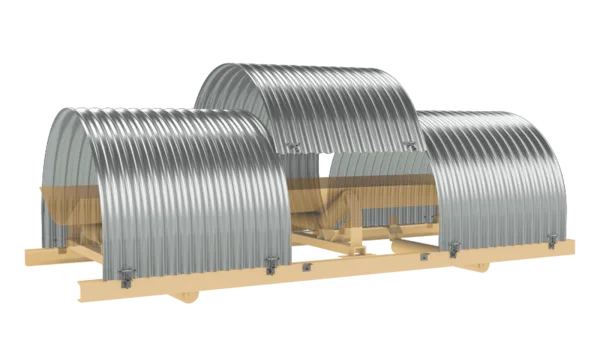
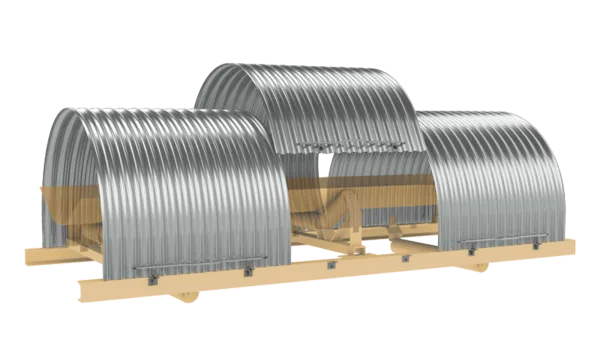
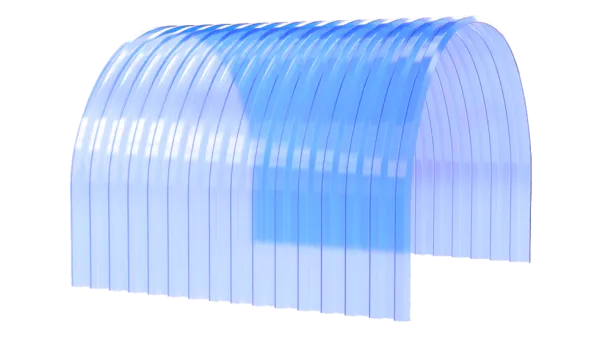
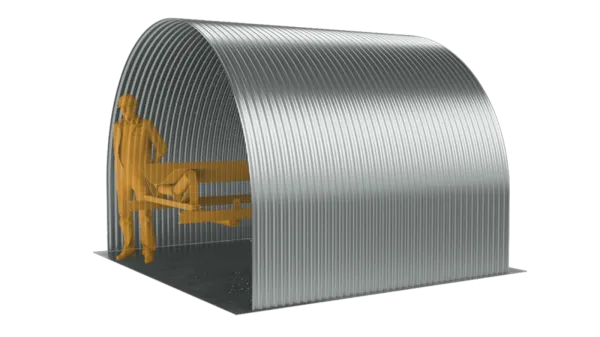
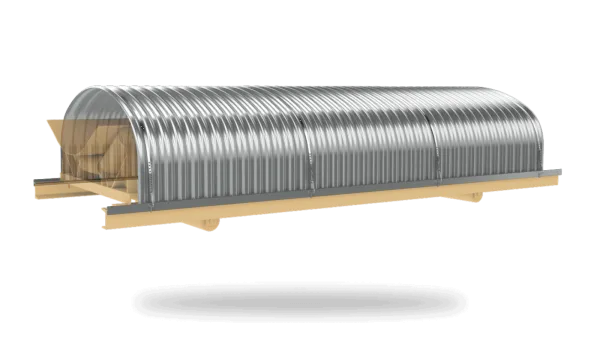
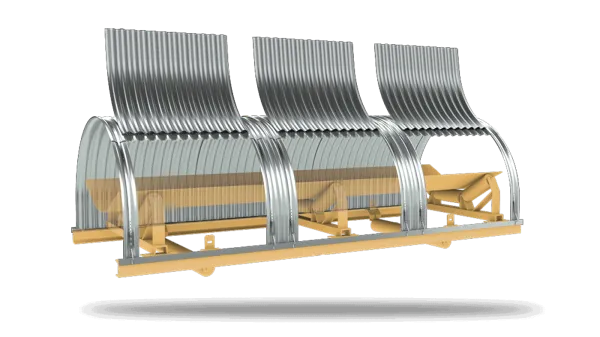
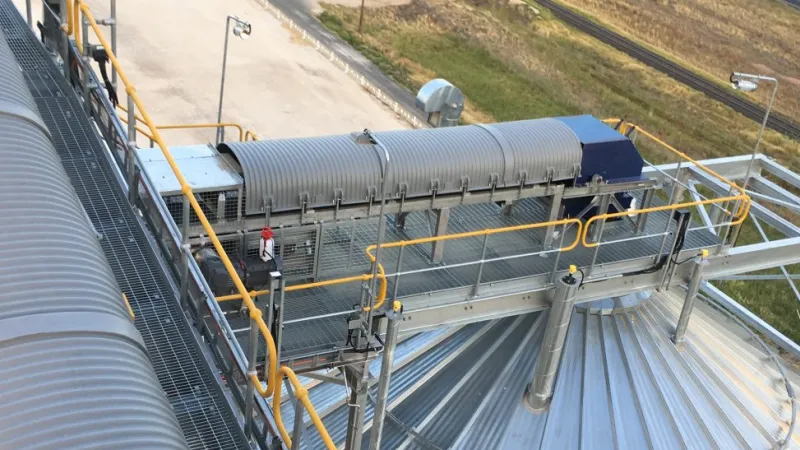
In-plant Belt Conveyor Covers
Conveyor hood covers are essential for protecting in-plant belt conveyors and the materials they transport. Designed for internal facilities such as crushing and screening plant, ore dressing plant, power plants, cement plants, steel mills, chemical plants, and grain mills, these covers ensure smooth and safe operations in controlled environments.
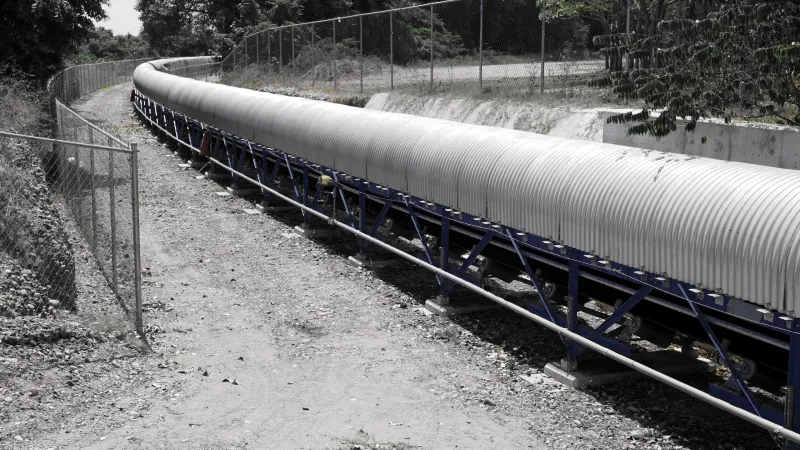
Overland Belt Conveyor Covers
Conveyor hood covers for long distance belt conveyors of mining and quarrying project. These protective structures are specifically designed to shield conveyed materials and conveyor components from external environmental factors, such as rain, wind, and dust, while enhancing operational efficiency and worker safety.
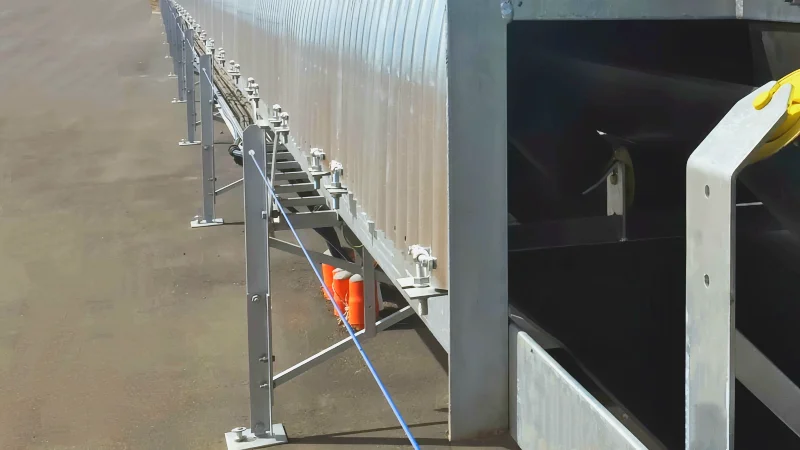
Conveyor Cover Clamps
Conveyor cover clamps are essential hardware components used to secure conveyor covers or hoods to the conveyor frame. They ensure the cover stays in place during operation, withstands wind, vibration, and movement, and allows for quick removal or access during inspection or maintenance.
Converyor Cover Types
| Types | Common Length |
| Full Cover | 48” (1,219mm) |
| 3/4 Cover | 42” (1,066mm) and 18” (457mm) supports |
| 1/2 Cover | 42” (1,066mm) and 18” (457mm) supports |
| Full Cover w/Window | 48” (1,219mm) |
| Full Low Profile | 48” (1,219mm) |
Converyor Cover Materials
Consider the type of materials being conveyed. Some materials may be corrosive, abrasive, or sensitive to environmental conditions. Choose covers made from materials that are compatible with the conveyed substances. Common covers.
- Conveyor covers plastic
- Conveyor covers galvanized
- Conveyor covers steel
- Conveyor covers stainless
These conveyor covers can be opened on one or both sides, making maintenance very easy. They are mounted with footprints or hooks.
| Material Types | Description |
| Galvanized Steel | Approved corrosive resistance in nearly every environment. |
| Lacquered Steel | Colored to blend in with surroundings or branding. |
| AMZ 200 Steel | New type paint coated steel. As good as HPS200. |
| Stainless Steel | Highly corrosive environments. |
| Fiberglass | Avoid contamination in the food industries. |
Conveyor Cover Applications
Conveyor owners may want to protect the material they handle from weather conditions like rain or wind. In some cases, local government requires conveyors to be covered to limit dust or dispersion of powders.
- Protect Environment.
- Protect Security.
- Reduce Material Loss.
- Reduce Weather-related Downtime.
FAQ About Belt Conveyor Covers
1. What are conveyor covers used for?
Conveyor covers, also known as belt conveyor hood covers, protect conveyor belts and conveyed materials from rain, wind, sunlight, and external debris. They can also help reduce material loss and control the spread of dust from bulk materials.
2. Why are conveyor covers important for bulk material handling?
Conveyor covers help protect materials and conveyor components from harsh weather, reduce weather-related downtime, and improve housekeeping around bulk material conveying systems. They are widely used in mining, quarrying, cement plants, power plants, ports, and grain handling facilities.
3. What types of belt conveyor covers are available?
Common types include full covers, half covers, three-quarter covers, low-profile covers, hinged or side-opening covers, and covers with inspection windows. The appropriate design depends on the required level of protection, maintenance access, and conveyor layout.
4. What materials are used to manufacture conveyor covers?
Common materials include galvanized steel, painted steel, stainless steel, plastic, and fiberglass. Material selection depends on corrosion exposure, outdoor conditions, required durability, weight, and the characteristics of the conveyed material.
5. How do I choose the right conveyor cover material?
Galvanized steel is a common choice for general outdoor applications. Painted steel offers additional coating and color options, while stainless steel is suitable for applications requiring greater corrosion resistance. Plastic and fiberglass may be considered where lightweight construction or specific corrosion and contamination requirements apply.
6. What is the difference between full, half, and three-quarter conveyor covers?
Full covers provide more extensive protection around the conveyor belt. Half covers and three-quarter covers leave more of the conveyor accessible and may be suitable where partial weather protection and easier inspection are priorities. The final choice depends on site conditions and protection requirements.
7. Can conveyor covers help control dust?
Yes. Conveyor covers can reduce the release and dispersion of dust from dry bulk materials, especially when combined with suitable transfer-point enclosures, skirting, and dust extraction or suppression systems. Covers alone do not guarantee dust-free operation.
8. Are conveyor covers suitable for outdoor and overland conveyors?
Yes. Outdoor and overland conveyor covers help protect conveyed materials and conveyor components from rain, wind, sunlight, and debris. For exposed installations, cover design should account for local weather, wind loads, support structures, and maintenance access.
9. Are conveyor covers suitable for mobile belt conveyors and ship loaders?
Yes. Conveyor covers can be designed for fixed conveyors, mobile conveyors, and ship-loading conveyor systems. For mobile equipment, the design should accommodate movement, structural clearances, vibration, and the operating environment.
10. Are hinged or side-opening conveyor covers available?
Yes. Hinged and side-opening designs allow maintenance personnel to access the belt and idlers more easily than fully removable covers. Depending on the design, inspection windows and suitable locking or securing hardware can also be specified.
Why to Choose Our Conveyor Covers?
-
5 Materials to Choose
We offer five conveyor hood cover materials to choose from. Galvanized steel and painted steel are the most commonly used.
-
Easy to Maintain
Our belt conveyor covers are easy to maintain. Only one person is required to open, lock and close both sides without any tools.
-
Long Working Service Life
High-quality materials, coating options and UV-resistant properties ensure long-lasting performance of belt conveyors.
-
Expertise
Over 13 years of experience in designing and manufacturing conveyor hood covers tailored for mining and quarrying applications.
-
Comprehensive Range
Covers available for various conveyor systems and bulk materials, including iron ore, copper ore, limestone, and aggregates.
-
Customization
Ability to provide customized hood cover solutions to meet the specific needs of your plant.
Contact Us for Quotes and Prices!
Just let we know what you want, and we will get in touch with you as soon as possible!

Leading Mobile Bulk Material Handling Equipment Manufacturer in China. A high-tech enterprise specializing in R&D and manufacturing of stacker conveyors, ship loaders, and bucket wheel reclaimers. We provide comprehensive mobile solutions, including mobile hopper feeders, truck unloaders (surface feeders), and transfer conveyors, alongside high-performance mobile crushing and screening plants for global bulk material processing.
How to Contact
- WhatsApp: +8617821512097
- E-mail: [email protected]
-
 Add: China

